Divorce Rate in India: Myths, Trends, and What’s Changing
For a long time, India has had a simple story in many people’s minds: marriages last, divorce is rare, and families stay together no matter what. That picture still has some truth, but it is no longer the full story.
Today, the divorce rate in India is still low compared to many Western countries. At the same time, numbers are slowly rising, especially in big cities and among younger, educated couples. More people are choosing to leave unhappy or unsafe marriages, and society is starting to talk about it more openly.
In this post, you will see what “divorce rate” really means in plain language, how India compares to other countries, why divorce is rising in some groups, and how culture, religion, and law all shape the process. You will also see what these changes might mean for couples, children, and the future of marriage in India.
https://www.youtube.com/watch?v=9Z2YyJaydVo
What Is the Divorce Rate in India Today?
Divorce rate sounds like a dry math term, but it is really a simple idea. It is just a way to answer the question, “How many marriages end in divorce in a given group of people?”
In India, most surveys and census reports still show a very small share of people who say they are divorced or separated. Many reports mention a figure of around 1 percent of the population. That is tiny compared to countries where a large share of marriages break up.
At the same time, that small number hides some clear patterns. Divorce is more common in cities than in villages. It is more common among people with higher education and income than among those with less. It also shows up more among couples who live in nuclear families rather than in large joint families.
Instead of getting lost in exact figures, it helps to think about the direction of change. India started from a point where divorce was almost unheard of in many communities. Now, each decade brings a bit more openness to separation when a marriage is harmful, violent, or deeply unhappy. Courts in major cities see more divorce cases than before. Matrimonial lawyers, therapists, and counselors also report more couples asking for help or for legal separation.
Divorce is still not “normal” in many parts of India. Most people still expect marriage to last for life. Yet the slow rise in divorce cases, especially in urban areas, shows that attitudes are shifting. People are more aware of their rights, more focused on personal happiness, and less willing to stay in unsafe situations.
Understanding Divorce Rate in Simple Terms
Think of divorce rate as a basic headcount of broken marriages. Researchers can measure it in different ways:
- Per 1,000 people in a country
- Per 1,000 married couples
- As a percentage of marriages that end in divorce
You do not need to remember the formulas. What matters is the story behind the numbers.
A country can have a divorce rate that sounds small, but if that number doubles over a few decades, it means a real change in people’s lives. That is what many experts say is happening in India. The rate is still low, but it is rising compared to the past.
So even if statistics feel distant, they point to something simple: more Indian couples are choosing to separate than before, especially when they have the means and support to do so.
Current Divorce Rate in India Compared to Other Countries
When you compare India with countries like the United States or many parts of Europe, the difference stands out. In those places, a large share of marriages end in divorce. Terms like “half of marriages” often appear in public talks, even if the exact figure may vary.
In India, only a small share of people report being divorced or separated, often around 1 percent in surveys or census data. That puts India among the countries with lower measured divorce rates.
There are some catches though:
- Some couples live apart but never complete legal divorce.
- Some families handle separation through local or family arrangements, not courts.
- Social pressure may stop people from reporting their true status.
Even with these limits, India still has a lower rate than many Western countries. Marriage continues to be a strong social institution, and many families work hard to avoid formal separation.
Urban vs Rural Divorce Trends in India
The gap between city and village life is large when it comes to divorce.
In big cities like Delhi, Mumbai, Bengaluru, Hyderabad, Chennai, and others, people live faster and often more stressful lives. Both partners may work, travel long distances, and face high rent and loan payments. They are also more exposed to new ideas about relationships, personal freedom, and individual rights.
All this creates conditions where:
- Couples may argue more about time, money, or housework.
- Women and men may both feel pulled between work and family roles.
- People feel more able to ask for separation if things become unsafe or unbearable.
In many rural areas, the picture looks very different. Social pressure from family and neighbors is stronger. A couple might stay under the same roof just to avoid gossip or shame, even if they no longer feel close.
Sometimes husbands and wives simply live apart in practice, but never go to court. In other cases, parents or village elders step in to keep the marriage together. Economic dependence, especially for women, can also make legal divorce feel impossible.
So while the overall divorce rate in India looks low, the reality depends a lot on where people live and what kind of support they have.
Why Is the Divorce Rate in India Increasing?
If the rate is still low, why does everyone talk about rising divorce in India? The answer lies in social change.
More people study longer, move to cities, and work in jobs away from their home towns. Women are more likely to earn their own income. Young people often want companionship and respect in marriage, not just a social duty.
These changes bring freedom, but they also bring stress. Couples have to manage new expectations and new kinds of pressure. When they cannot handle these together, separation becomes more likely.
Changing Roles of Women and Men in Indian Marriages
In many Indian homes today, the old script is fading. Earlier, a husband might be seen mainly as the earner, and a wife as the homemaker. Now, more women finish college, take up careers, and contribute to the family income.
This shift can improve a marriage when both partners share power and respect. They can:
- Take joint decisions about money.
- Support each other’s careers.
- Share housework and childcare.
Trouble starts when the mindset does not change as fast as the roles. For example:
- A wife works full time but is still expected to handle all chores.
- A husband feels threatened by his wife’s success or salary.
- In-laws expect a “traditional” daughter-in-law even when the couple lives a modern life.
When these tensions build up, some women decide not to stay in abusive or disrespectful marriages. Their ability to earn money and find housing can make divorce a real option, not just a distant thought. Men also feel stress as they adjust to new expectations, which can add to conflict if they do not have healthy ways to cope.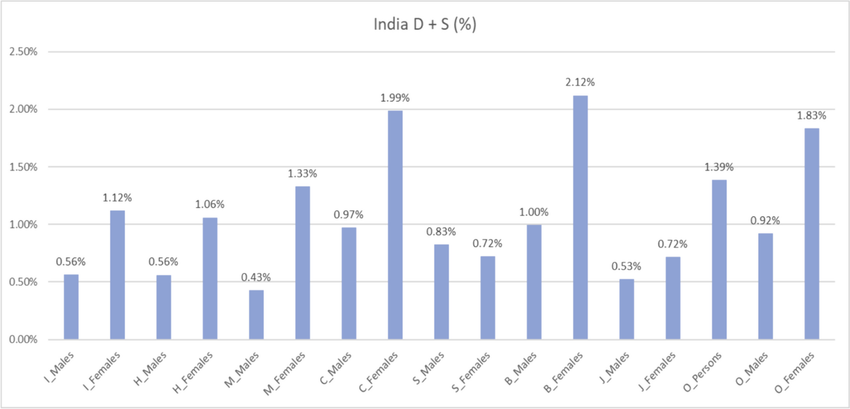
Love Marriage vs Arranged Marriage and Divorce Risk
In India, people often talk about two broad paths to marriage: love and arranged. Both can lead to happy or sad outcomes.
Love marriages usually start with emotional connection. The couple picks each other before involving parents. These marriages may face:
- Resistance from families, especially if religion, caste, or region differ.
- Less support from relatives in the early years.
- High expectations for romance and emotional closeness.
Some studies suggest that love marriages in India may have a higher chance of divorce. When family support is weak and stress is high, couples can feel alone in their problems.
Arranged marriages often come with strong family backing. Parents and relatives help pick a match, and the couple gets built-in social support. At the same time:
- The pair may feel pressure to adjust, no matter how unhappy they feel.
- They might stay together because of children, property, or family honor.
This can keep the divorce rate low on paper, but it can also hide silent suffering. The key point is not that one type is “better,” but that both face unique pressures. Support, respect, and communication matter far more than how the match was made.
Money Stress, Work Pressure, and City Life
Life in Indian cities can feel like running on a treadmill that never stops. There are rent or home loans, school fees, medical costs, and care for aging parents. Many couples also deal with long commutes, tight deadlines, and job insecurity.
Money and work stress can show up in marriages as:
- Fights about spending, saving, or supporting families.
- Blame when one partner loses a job or earns less.
- Emotional distance when both come home too tired to talk.
In joint families, grandparents or relatives sometimes share child care and emotional support. In nuclear families, city couples manage almost everything alone. With no one to step in during tough times, arguments can turn into deep resentment.
Over time, these pressures may push some couples toward separation, especially if other problems (like lack of respect, abuse, or addiction) are also present.
Social Media, Technology, and Relationship Conflicts
Phones and social media can feel like a third person in many marriages. On one side, they help couples stay in touch, share moments, and learn relationship skills. On the other side, they can also create new problems.
Common triggers include:
- Jealousy over chats, likes, or late-night messages.
- Emotional affairs that start as “just friends” online.
- Partners spending more time on screens than talking to each other.
Technology also changes how people see their choices. With internet access, many learn about legal rights, mental health, and support groups. Someone in an abusive marriage can reach a lawyer or counselor from their phone. This can make it easier to choose divorce when staying would be dangerous or deeply damaging.
So rising divorce numbers are not only about broken homes. They also show that people now have more tools and information to leave harmful situations.
How Culture, Religion, and Law Affect Divorce in India
Divorce is not just a private decision between two people. In India, it sits at the crossroads of family expectations, religious beliefs, and legal rules.
Parents, in-laws, neighbors, and community leaders often have strong opinions. Religious traditions shape ideas of duty and sin. The law sets the steps, waiting times, and rights that couples must deal with if they choose to separate.
Social Stigma Around Divorce in Indian Families
In many Indian families, divorce still carries a heavy label. People may whisper about a divorced woman, question her character, or blame her for “breaking the home.” Divorced men can also face judgment, but women often carry a larger share of the blame.
This stigma can show up as:
- Gossip and social exclusion.
- Blaming the woman for not “adjusting.”
- Pressure to go back to a harmful partner “for the children.”
Because of this, many people stay in painful marriages just to avoid shame. However, in some urban, educated circles, views are shifting. Divorce is seen more as a personal choice when a relationship stops working, rather than a moral failure.
The country holds both realities at once: deep stigma in some groups and growing acceptance in others.
Religious and Personal Laws That Shape Divorce in India
India has a unique system in which different communities follow different personal laws for marriage and divorce. For example:
- Hindus, Buddhists, Jains, and Sikhs fall under the Hindu Marriage Act.
- Muslims follow Muslim personal law.
- Christians follow Christian marriage and divorce laws.
- Interfaith or civil marriages often use the Special Marriage Act.
Each set of laws lists its own grounds for divorce, such as cruelty, desertion, or adultery. They may also have different waiting periods and processes for things like mutual consent divorce.
For many couples, this mix of rules can feel confusing and slow. Legal cases may drag on, add to stress, and cost a lot of money. This can make some people avoid formal divorce, even when they are already living apart.
Women’s Rights, Maintenance, and Custody Issues
Divorce can hit women especially hard when they do not have their own income. Even though the law provides for maintenance or alimony, child support, and a share of property in some cases, the real-life picture can be messy.
Common challenges include:
- Delays in courts.
- Difficulty in actually receiving ordered payments.
- Social pressure to “forgive and forget” instead of insisting on rights.
Child custody is another sensitive area. Courts usually try to protect the child’s best interests, but the fight can leave both parents and children hurt.
Fear of financial hardship keeps many people, especially women, from filing for divorce, even when the marriage is abusive. Support networks, skills training, and clear legal help can make a big difference in giving them safe choices.
How Counseling and Mediation Try to Reduce Unnecessary Divorce
Not every struggling marriage needs to end. At the same time, not every marriage should be forced to continue at any cost. This is where counseling and mediation come in.
Across India, you can find:
- Family counseling centers run by NGOs or religious groups.
- Court-connected mediation centers that try to help couples talk before a final decision.
- Private therapists and marriage counselors in many cities.
These services help couples:
- Understand each other’s needs and triggers.
- Work on communication and conflict skills.
- Decide whether to stay together or separate with less anger.
In some cases, counseling helps couples rebuild a healthier bond. In others, it supports them in parting ways more peacefully, which is better for both adults and children.
The rise of counseling also shows a change in mindset. People are more open to talking about mental health, emotional pain, and relationship stress instead of suffering in silence.
What Rising Divorce Rates Mean for India’s Future
As India’s divorce rate slowly rises, it sends mixed feelings across society. Some people worry that family values are under threat. Others see it as a sign that people, especially women, no longer accept violence or deep unhappiness as part of marriage.
The truth sits somewhere in between.
Divorce can create real challenges: single-parent homes, money strain, and confusion for children. Yet staying in a toxic marriage can harm everyone even more. A healthy society needs both support for strong marriages and safe exits when relationships turn unsafe.
Impact of Divorce on Children and Family Life
Children often feel the first shock when parents separate. They may feel:
- Sadness and loss.
- Confusion or guilt, as if they did something wrong.
- Stress from moving houses or changing schools.
The way parents handle the breakup makes a huge difference. When parents fight less, speak respectfully, and keep the child out of adult issues, children can still grow up stable and happy.
Important steps include:
- Honest but gentle talks suited to the child’s age.
- Keeping routines, like school and hobbies, as stable as possible.
- Letting children love both parents without taking sides.
Two peaceful homes or one strong single parent can be better than a single home filled with screaming, fear, or violence. Care, patience, and clear communication help children adjust over time.
Will Divorce Rates in India Keep Rising?
Looking at current trends, many experts expect divorce rates in India to keep rising, at least in cities and among the middle and upper classes. Reasons include:
- Higher education, especially for women.
- More people living in nuclear families in urban areas.
- Greater awareness of legal rights and mental health.
At the same time, marriage still holds deep meaning for most Indians. Social and religious values around family are very strong. This means India may not see divorce levels as high as some Western countries.
Instead, rising divorce numbers can be read as a sign of change. They show that people want both family and personal dignity. They point to a shift from “stay at any cost” to “stay if there is respect and safety.”
Building Stronger Marriages in a Changing India
The story does not have to be only about divorce. Change can also push couples to build stronger, more equal partnerships.
Some helpful steps include:
- Honest talks before marriage about money, careers, children, and where to live.
- Premarital counseling for couples, not just wedding planning.
- Equal sharing of housework and parenting, not leaving it all to one partner.
- Seeking help from counselors or elders early, before problems turn into deep wounds.
When couples understand the pressures around them, they can prepare better. Knowing the reasons behind the rising divorce rate in India does not have to create fear. It can help partners choose kindness, respect, and teamwork with open eyes.
Conclusion
India’s divorce rate is still low in global terms, but it is no longer frozen in time. In cities and among younger, educated couples, divorce is more visible and more accepted than before. This change links to women’s independence, city stress, new gender roles, and greater awareness of personal rights.
Culture, religion, and law all shape how divorce works and how people judge it. Social stigma still hurts many divorced women and men, yet slow shifts in attitude offer hope for more understanding and support.
Divorce often points to deep trouble, but it can also be a path out of violence and long-term misery. As India changes, the real challenge is not to fear the numbers, but to use this knowledge to build more equal, respectful relationships. If you know someone facing divorce, your steady support, not your judgment, may be the thing that helps them stand again.