
How Long After Divorce Can You Remarry? Legal Rules And Real-Life Timing
Jamie walked out of the courthouse with a stack of papers and a spinning mind. The marriage was over, the judge had spoken, friends were asking about dating again. One big question stayed stuck in their head: how long after divorce can you remarry?
If you are in the same spot, you are not alone. The answer is not the same for everyone. It depends on the law where you live, how your case ended, and whether you feel ready in your heart to marry again.
This guide breaks things into simple parts. You will see what has to be final in your divorce before you can marry again, how legal waiting periods work in different places, and what steps help you stay safe and legal. You will also get some gentle questions to check if you are personally ready for a new marriage.
Take a breath, grab your decree, and walk through this step by step.
https://www.youtube.com/watch?v=eqfTPDosO1U
What Has To Be Final Before You Can Remarry After Divorce?
Before anyone can remarry, the divorce must be fully done on paper. Not “almost done.” Not “we agreed.” The court has to close the case and enter a final judgment.
The law cares about documents and dates, not feelings or handshake deals. So even if you have split your stuff, moved homes, and started a new relationship, you are still married in the eyes of the law until the court says you are not.
Two ideas matter here: separation versus divorce, and the final divorce decree.
The difference between a separation and a final divorce
Many couples live apart for a while before they divorce. Some move out after a big fight. Others sign a written separation agreement to sort out money and kids.
A separation usually means you are still legally married, but living apart. In a legal separation, a judge might decide things like:
- Who stays in the home
- Who pays which bills
- When each parent spends time with the kids
You might have rules that feel a lot like a divorce. Still, you are married in the legal sense. In most places, you cannot remarry during a separation.
A final divorce, on the other hand, is when a court signs a judgment that ends the marriage. That is the key difference.
Here are two quick examples:
- You and your spouse move into separate apartments and sign a paper that says who pays the car loan. You are separated. You cannot marry someone else.
- Months later, a judge signs a final judgment that says your marriage is dissolved. The court files it. Now you are divorced. After any legal waiting period, you may be able to remarry.
Only the final judgment or decree ends the old marriage and opens the door for a new one.
What a final divorce decree is and why it matters
A final divorce decree (sometimes called a final judgment or divorce judgment) is the official court order that says your marriage is over. It usually includes:
- The date the marriage legally ended
- How property and debts were divided
- Any support orders or parenting plan
The judge must sign it, and the court must enter it into the record. The date it is “entered” or “filed” often controls when any waiting period starts.
In many places, you must show this decree when you apply for a new marriage license. Without it, the clerk may not let you move forward.
If you remarry before your divorce is final, or before a required waiting period has run, you can face real problems. The new marriage might be treated as invalid, which can cause a mess with property, benefits, and even questions about children. It can also bring legal trouble in some areas.
So, that one piece of paper matters more than any text, email, or casual promise.
How Long After Divorce Can You Remarry? Legal Waiting Periods
There is no single rule that fits everyone. Some people can remarry as soon as the ink is dry on the decree. Others must wait weeks or months by law.
Three things affect the timing:
- The law of your state or country
- The date your divorce became final
- Any extra limits written in your decree
Let us look at how these work in general, then how to check your own situation.
States and countries with no waiting period after divorce
Many places do not add a separate remarriage waiting period on top of the divorce. Once the judge signs the decree and the court records it, you can often move straight to a new marriage license.
In several U.S. states, for example, people often can apply for a marriage license right after the divorce is final. States like Florida and New York have at times been described this way, though rules can change.
Some countries also allow immediate remarriage after final divorce, as long as you meet normal marriage license rules.
The key idea is simple. In these places:
- Your first marriage must be fully and finally ended
- The court record must show the final judgment
- Then, you can usually apply for a license without an extra delay
Even in “no waiting” locations, your local clerk might still have a separate rule, such as a short delay between getting the license and having the ceremony.
Always confirm current rules with a reliable local source, since laws shift over time.
Places that make you wait a set number of days or months
Some states and countries say you must wait a set time after your divorce before you can marry again. Common rules include:
- About 30 days after the final decree
- About 60 days in some areas
- About 6 months in others
For example, some U.S. states have had laws that require a 30-day or 60-day waiting period from the date the judgment is signed or filed, especially when marrying a new partner. Other places, such as parts of the Midwest, have used a 6‑month bar on remarriage.
Why do these rules exist? Common reasons include:
- Giving time for any appeals or legal challenges
- Preventing quick rebound marriages that may fall apart
- Keeping the court record clear before a new marriage starts
If you live in a place with a waiting period, set your wedding date after that time has fully passed. Mark the date on a calendar and give yourself a cushion.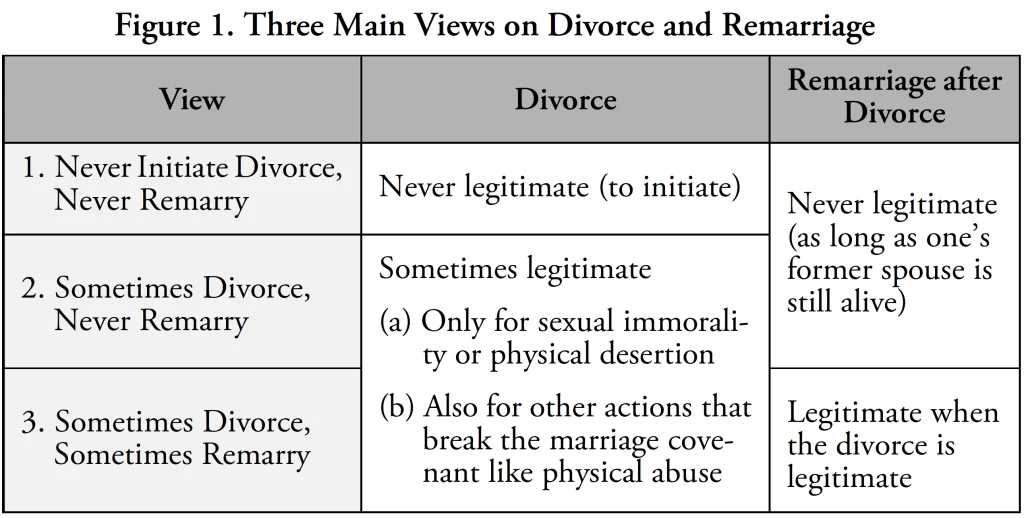
How to check the remarriage waiting period where you live
Instead of guessing, check the rule where you live. Simple ways to do that include:
- Call or visit your local county clerk or marriage license office, and ask, “Is there a waiting period after divorce before I can get a new marriage license?”
- Look at your state, province, or country government website, especially sections on marriage licenses or family law.
- Read your divorce decree to see if it mentions any limits on remarriage.
- Talk with a local family law attorney if your situation feels complex.
Government sources and direct answers from clerks are often more reliable than random online posts. If two websites say different things, trust the official one from a court or government office.
Write down what you learn, including dates, so you do not have to remember it all in your head.
Special rules if you are remarrying the same person
In some places, the waiting period can be shorter or different if you are remarrying your former spouse instead of a new partner. Other locations treat both cases the same.
Because these rules can be very specific, always ask your local clerk or a lawyer, “Does anything change if I am marrying my ex again?” A two-minute call can save a big headache later.
Practical Steps To Remarry Safely And Legally After Divorce
Once you understand the basic rules, you can move into planning mode. Before you pick a wedding date, walk through a few simple checks so you do not run into surprises.
Think of this section as your quick safety checklist.
Confirm your divorce is 100% final on paper
Start with the foundation. You want to confirm that your divorce is fully done in the court system.
Steps that help:
- Get a certified copy of your final divorce decree. Do not rely only on an email, text, or draft document. Ask the court clerk for a certified copy with a stamp or seal.
- Check the date it was entered. Somewhere on the judgment, you should see a date that shows when the court filed it. This date often controls any waiting period.
- Ask about appeals or delays. If you know your ex was upset with the ruling, ask your lawyer or the court if there are any open appeals that affect remarriage. Most people will not have this issue, but if you do, it matters.
Once you are sure the decree is final and clean, you have a solid base for your next marriage.
Understand your local marriage license rules
Even if your divorce is final and any waiting period is over, regular marriage rules still apply.
Common requirements include:
- A valid photo ID, such as a driver’s license or passport
- Your certified divorce decree
- Payment of a filing fee
- In rare places, a blood test or health form
Some states or counties add their own twist. They might have:
- A short delay between getting the license and the ceremony
- A time limit for using the license, such as 30 or 60 days
- Special rules for people who were divorced very recently
When you visit or call the marriage license office, ask direct questions like:
- “Do you have any rules about how soon after divorce I can get a license?”
- “Do you have a waiting period between license and ceremony?”
Write down their answers and keep them with your decree.
What can happen if you remarry too soon
Marrying before your divorce is final, or before a legal waiting period has passed, can lead to serious trouble.
Possible risks include:
- The new marriage might be treated as invalid or void.
- You might face a legal tangle with property, since the law may see you as still married to your ex when you tried to marry someone else.
- Benefits such as pensions, Social Security, or health insurance could be affected.
- There might be fines or legal penalties in some areas.
This does not mean you need to be scared of marrying again. It simply means you should check the rules ahead of time.
A few phone calls and a look at your decree can protect your new spouse, your kids, and your money from problems that are easy to avoid.
Are You Personally Ready To Remarry After Divorce?
The law answers only one piece of the timing question. The other piece sits inside you.
You might be “legally ready” to marry again long before you feel calm, steady, and hopeful about a new lifelong commitment.
These questions are not about blame. They are about your peace of mind.
Emotional healing and learning from your last marriage
Divorce is a big loss, even if you wanted it. Your daily life changes, your plans shift, and your sense of self may take a hit.
Ask yourself:
- Have I had time to grieve the end of my last marriage?
- Do I understand what went wrong, including my part in it?
- Have I worked on old patterns that I do not want to repeat?
Some people find it helpful to talk with a therapist, coach, or trusted friend. Journaling, support groups, or faith communities can also help you process the past.
There is no magic number of months to wait. The key is whether you feel more grounded, honest with yourself, and ready to build something new, not just to fill a gap.
Talking openly with your new partner about timing
If you have a new partner, timing is not just your decision. It is a team topic.
Sit down and talk about:
- Why each of you wants to marry, and why now
- Money, budgets, debts, and how you will handle them together
- Kids, parenting styles, and any plans for stepfamilies
- Where you will live and what daily life will look like
Clear talks now can prevent many old problems from coming back in a new form.
You might also think about couples counseling or premarital counseling. It is not only for couples in trouble. It can give you tools to handle conflict, communicate better, and build trust after a hard breakup.
When both of you feel heard, informed, and respected, it is much easier to pick a wedding date that feels right in both your head and your heart.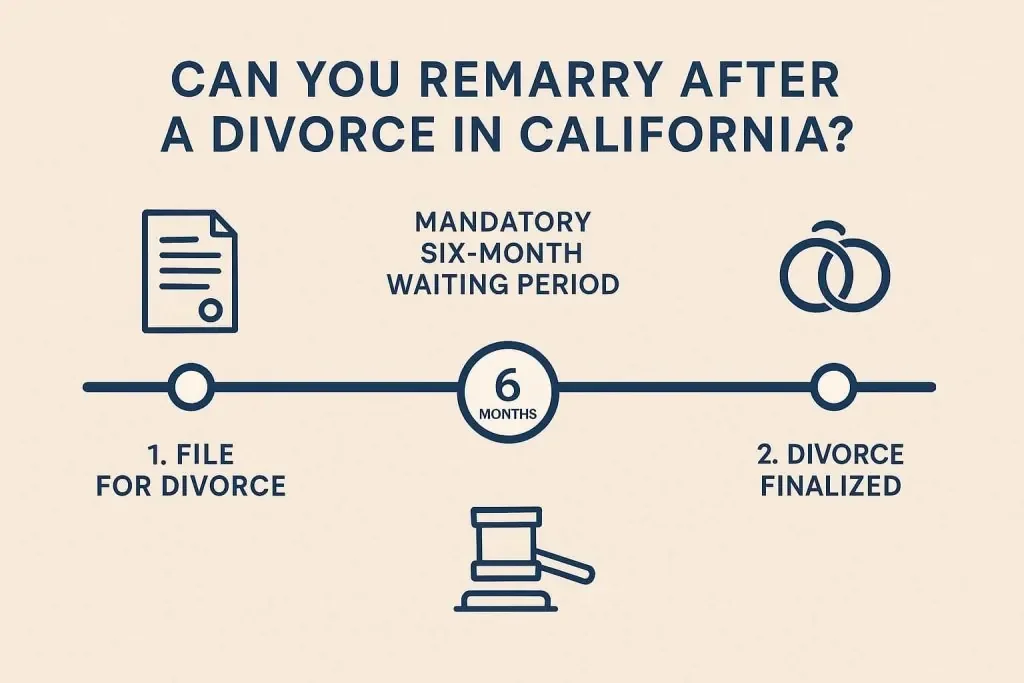
Conclusion
The question “How long after divorce can you remarry?” has two parts. First, the legal side: your divorce must be fully final on paper, your local law may add a waiting period, and you should always check the rules with your court or marriage license office. Second, the personal side: your own readiness to commit again.
When those pieces line up, you can move toward a new marriage with more confidence. Take your time, gather clear information, and talk openly with your future spouse about both timing and expectations.
You are not behind if you wait a bit longer, and you are not wrong if you feel ready sooner. The goal is a healthier, happier second chapter, built on steady steps instead of rushed choices.