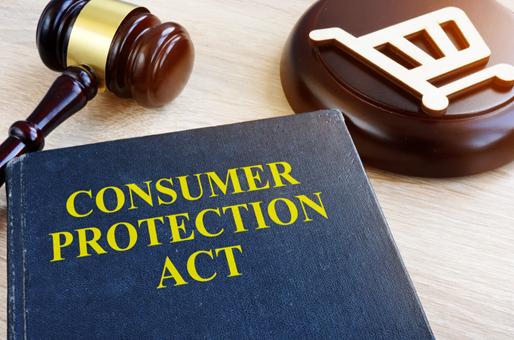
Consumer Protection Act and Business Liability – Why Consumer Protection Matters!
Introduction to Consumer Protection Laws
Consumer Protection Act and Business Liability Ever bought something that didn’t work as promised? Or paid for a service that fell flat? You’re not alone. This is exactly why consumer protection laws exist. They act like a safety net, ensuring consumers aren’t left helpless while businesses are held accountable for what they sell or promise.
Why Consumer Protection Matters
In a fast-moving market, businesses want to grow quickly, and consumers want value for money. Consumer Protection Act and Business Liability Without clear rules, chaos follows. Consumer protection laws balance this relationship, making sure fairness isn’t just a buzzword.
Evolution of Consumer Rights
Consumer rights didn’t appear overnight. Consumer Protection Act and Business Liability They evolved as markets expanded, products became complex, and businesses gained more power. Governments worldwide realized that consumers needed legal backing—and that’s how modern consumer protection laws were born.
Understanding the Consumer Protection Act
What Is the Consumer Protection Act?
Consumer Protection Act and Business Liability Consumer Protection Act is a legal framework designed to safeguard consumer interests. It defines consumer rights, business responsibilities, and remedies available when things go wrong.
Objectives of the Act
Consumer Protection Act and Business Liability main goal is simple: protect consumers from unfair practices and defective goods or services.
Ensuring Fair Trade Practices
The Act discourages misleading ads, fake discounts, and hidden charges.
Protecting Consumer Interests
It empowers consumers to raise complaints and seek justice without complex legal hurdles.
Key Features of the Consumer Protection Act
Rights of Consumers
Consumers have the right to safety, information, choice, and redressal. Think of these as your basic shopping rights—non-negotiable and essential.
Duties of Businesses
Businesses must provide accurate information, safe products, and reliable services. If they fail, liability kicks in.
Product Liability Provisions
This is a game-changer. Manufacturers, sellers, and service providers can now be held directly responsible for defective products or poor services.
Who Is Considered a Consumer Under the Act
Goods vs Services
Whether you buy a product or hire a service, you’re protected—as long as it’s for personal use and not resale.
Online and Digital Consumers
Yes, online shoppers are consumers too. Digital purchases enjoy the same protection as offline ones.
Business Liability Explained
Meaning of Business Liability
Business liability refers to the legal responsibility of companies for harm caused to consumers due to defective products, misleading claims, or negligence.
Types of Business Liability
Civil Liability
This involves compensation or damages paid to consumers.
Criminal Liability
In serious cases, businesses may face fines or even imprisonment for responsible individuals.
Product Liability and Its Impact on Businesses
Manufacturer Liability
If a product is defective and causes harm, manufacturers can’t hide behind distributors anymore.
Seller and Service Provider Liability
Retailers and service providers are equally accountable if they fail in their duty of care.
Unfair Trade Practices
False Advertising
Overpromising and underdelivering? That’s a legal risk. Misleading ads can land businesses in serious trouble.
Misleading Pricing and Offers
“50% off” that isn’t real can cost more than it earns.
Consumer Dispute Redressal Mechanism
District Consumer Commission
Handles cases with lower compensation claims.
State Consumer Commission
Takes up mid-level disputes.
National Consumer Commission
Deals with high-value and complex cases.
Penalties and Compensation Under the Act
Financial Penalties
Heavy fines act as a wake-up call for non-compliant businesses.
Compensation to Consumers
Consumers can receive refunds, replacements, or monetary compensation.
Role of E-Commerce Under the Consumer Protection Act
Responsibilities of Online Marketplaces
E-commerce platforms must display seller details, refund policies, and grievance officers.
Consumer Rights in E-Commerce
Online consumers can cancel orders, return defective goods, and file complaints easily.
How Businesses Can Reduce Legal Risk
Compliance and Documentation
Clear policies, quality checks, and proper records can save businesses from legal nightmares.
Ethical Marketing Practices
Honesty isn’t just ethical—it’s profitable in the long run.
Impact of the Consumer Protection Act on Businesses
Increased Accountability
Businesses now think twice before cutting corners.
Long-Term Business Benefits
Trust builds loyalty, and loyalty builds brands.
Challenges Faced by Businesses
Compliance Costs
Adhering to laws may seem expensive, but legal battles cost more.
Handling Consumer Complaints
A solid grievance system is no longer optional—it’s essential.
Future of Consumer Protection and Business Liability
Digital Transformation
As digital markets grow, laws will continue to evolve.
Stronger Consumer Awareness
Informed consumers mean smarter businesses.
Conclusion
The Consumer Protection Act isn’t an enemy of businesses—it’s a guide. It encourages transparency, fairness, and responsibility. While it increases business liability, it also builds trust, improves quality, and strengthens long-term success. In today’s competitive market, respecting consumer rights isn’t just good ethics—it’s smart business.
Frequently Asked Questions (FAQs)
1. What is business liability under the Consumer Protection Act?
Business liability refers to the legal responsibility of businesses for defective products, poor services, or unfair practices.
2. Can online consumers file complaints under the Act?
Yes, online consumers have full protection and can file complaints easily.
3. Who can be held liable for a defective product?
Manufacturers, sellers, and service providers can all be held liable.
4. Are small businesses also covered under this Act?
Yes, the Act applies to businesses of all sizes.
5. How can businesses avoid legal issues under the Act?
By following ethical practices, ensuring product quality, and maintaining proper compliance.