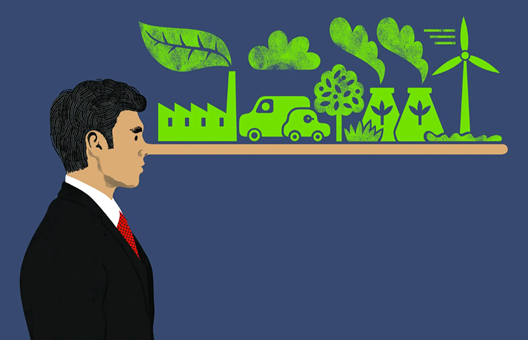
Climate Change Regulations and Corporate Responsibility – What Are Climate Change Regulations?
Introduction: Why Businesses Can No Longer Ignore Climate Change
Climate Change Regulations and Corporate Responsibility is no longer just a scientific debate or environmental concern — it has become a defining business issue of the 21st century. Rising temperatures, extreme weather events, and environmental degradation are reshaping economies, industries, and consumer expectations. Governments worldwide are responding with stricter climate regulations, while society increasingly expects companies to act responsibly toward the planet.
Today, Climate Change Regulations and Corporate Responsibility success is measured not only by profits but also by environmental impact. Businesses are no longer passive participants; they are central players in solving climate challenges. But what exactly do climate change regulations mean for companies, and how does corporate responsibility fit into this evolving landscape? Let’s break it down step by step.
Understanding Climate Change Regulations
What Are Climate Change Regulations?
Climate Change Regulations and Corporate Responsibility are laws and policies created by governments to reduce greenhouse gas emissions, promote sustainability, and limit environmental damage. Climate Change Regulations and Corporate Responsibility These rules aim to control how industries operate, how energy is consumed, and how products are manufactured and distributed.
Think of them as guardrails guiding businesses toward environmentally responsible behavior.
Why Governments Are Increasing Environmental Laws
Climate Change Regulations and Corporate Responsibility Why the sudden surge in regulations? Simply put — climate risks are economic risks. Floods disrupt supply chains, heatwaves reduce productivity, and environmental damage increases healthcare costs.
Governments recognize that without regulation, market forces alone may not reduce emissions fast enough.
Global Environmental Concerns Driving Policy
Climate Change Regulations and Corporate Responsibility Scientific warnings, public pressure, and economic losses caused by climate-related disasters have pushed policymakers to act. Regulations are designed not just to punish polluters but to encourage innovation and long-term sustainability.
The Evolution of Corporate Responsibility
From Profit-Only Models to Sustainable Business
Decades ago, corporations focused primarily on maximizing shareholder profits. Environmental responsibility was often seen as optional or even costly.
Today, that mindset has changed dramatically. Businesses now understand that sustainability and profitability can coexist — and often reinforce each other.
The Rise of ESG (Environmental, Social, Governance)
ESG has become a major framework guiding corporate behavior. Investors increasingly evaluate companies based on environmental performance, ethical governance, and social impact.
Companies that ignore ESG risks may face declining investment and reputational damage.
Key Climate Regulations Affecting Businesses
Carbon Emission Limits
Many countries impose emission caps on industries such as manufacturing, transportation, and energy production. Companies exceeding limits may face fines or operational restrictions.
These limits encourage businesses to adopt cleaner technologies.
Carbon Pricing and Taxes
Carbon pricing assigns a financial cost to pollution. Whether through carbon taxes or emissions trading systems, businesses must pay for their environmental footprint.
This approach turns sustainability into a measurable economic factor.
Reporting and Disclosure Requirements
Transparency is becoming mandatory. Companies must disclose emissions data, climate risks, and sustainability strategies.
Climate Risk Transparency
Investors and regulators now demand clear reporting on how climate change could affect operations, assets, and long-term profitability.
How Climate Regulations Impact Corporate Operations
Supply Chain Transformation
Climate regulations extend beyond company headquarters. Businesses must evaluate suppliers, transportation methods, and raw material sourcing.
A single unsustainable supplier can create regulatory risks for an entire organization.
Energy Consumption Changes
Companies are shifting toward renewable energy sources like solar and wind power to reduce emissions and regulatory exposure.
Energy efficiency upgrades are no longer optional — they are strategic investments.
Product Design and Innovation
Regulations push companies to redesign products using sustainable materials and recyclable packaging. Innovation often emerges when companies rethink traditional manufacturing processes.
Corporate Responsibility Beyond Compliance
Ethical Environmental Leadership
Compliance means following the law. Responsibility means going further.
Forward-thinking companies voluntarily reduce emissions, invest in sustainability projects, and set ambitious climate goals.
Voluntary Sustainability Initiatives
Many corporations adopt internal sustainability programs, carbon neutrality targets, and environmental partnerships even before regulations require them.
Why? Because leadership builds trust.
Benefits of Corporate Climate Responsibility
Brand Reputation and Customer Trust
Consumers increasingly prefer brands that align with environmental values. Sustainable practices create emotional connections with customers.
People want to feel their purchases contribute to a better future.
Investor Attraction
Green investments are growing rapidly. Investors view sustainable companies as less risky and more future-ready.
Environmental responsibility signals strong long-term management.
Long-Term Cost Savings
Energy efficiency, waste reduction, and resource optimization often reduce operating costs over time. Sustainability isn’t just ethical — it’s economically smart.
Challenges Businesses Face in Climate Compliance
Financial Costs
Transitioning to sustainable operations requires upfront investment. Renewable energy systems, cleaner technologies, and reporting systems can be expensive initially.
However, these costs often decrease over time.
Regulatory Complexity
Climate regulations vary across countries and industries, creating compliance challenges for multinational companies.
Navigating multiple legal frameworks can feel like solving a constantly changing puzzle.
Technological Barriers
Not every industry has easy access to low-carbon alternatives. Heavy manufacturing and aviation, for example, face unique technological limitations.
Role of Technology in Meeting Climate Regulations
Renewable Energy Adoption
Solar panels, wind energy, and green hydrogen solutions are helping companies reduce dependence on fossil fuels.
Technology turns environmental responsibility into practical action.
AI and Data Monitoring
Advanced analytics help businesses track emissions in real time. Companies can identify inefficiencies and reduce environmental impact quickly.
Data-driven sustainability is becoming the new norm.
Green Innovation
Innovation thrives under pressure. Climate regulations encourage research into biodegradable materials, electric transportation, and circular economy models.
Small Businesses vs Large Corporations
Different Responsibilities and Resources
Large corporations typically have more resources to implement sustainability programs. Small businesses may struggle with funding and expertise.
However, flexibility allows smaller firms to innovate faster.
Opportunities for SMEs
Sustainability creates new markets. Eco-friendly products, local sourcing, and green services give small businesses competitive advantages.
Global Cooperation and Corporate Accountability
International Climate Agreements
Global climate efforts require cooperation between governments and corporations. Businesses operating internationally must align with evolving global standards.
Cross-Border Business Responsibilities
Companies can no longer shift pollution to countries with weaker laws. Global supply chains are increasingly scrutinized for environmental impact.
Future Trends in Climate Regulation
Net-Zero Commitments
Many governments and corporations are committing to net-zero emissions targets. This means balancing emissions produced with emissions removed from the atmosphere.
Net-zero is quickly becoming a baseline expectation.
Climate Disclosure Becoming Mandatory
Climate reporting is moving from voluntary to compulsory. Companies will need standardized environmental disclosures similar to financial reporting.
How Companies Can Build a Climate Strategy
Setting Measurable Goals
Clear targets — such as emission reduction percentages — help organizations track progress and stay accountable.
Employee Engagement
Sustainability succeeds when employees participate. Training programs and green workplace initiatives create a culture of responsibility.
Sustainable Partnerships
Collaborating with suppliers, governments, and environmental organizations strengthens climate strategies and accelerates change.
Consumer Power and Corporate Behavior
The Rise of Conscious Consumers
Modern consumers research brands before buying. Environmental performance influences purchasing decisions more than ever.
Social Media Accountability
Social platforms amplify corporate actions instantly. Companies can gain praise for sustainability — or face backlash for environmental negligence.
Case for Sustainable Leadership
Turning Regulation Into Opportunity
Smart companies don’t view climate regulations as obstacles. Instead, they treat them as innovation catalysts.
Regulation often sparks creativity, efficiency, and competitive advantage. Businesses that adapt early position themselves as industry leaders.
Conclusion
Climate change regulations and corporate responsibility are reshaping the future of business. What once seemed like an environmental obligation has become a strategic necessity. Companies that embrace sustainability gain trust, attract investors, and build resilience against future risks.
The reality is simple: businesses are not separate from society or nature. They operate within ecosystems that must remain stable for economies to thrive. By aligning corporate goals with climate responsibility, organizations not only protect the planet but also secure their own long-term success.