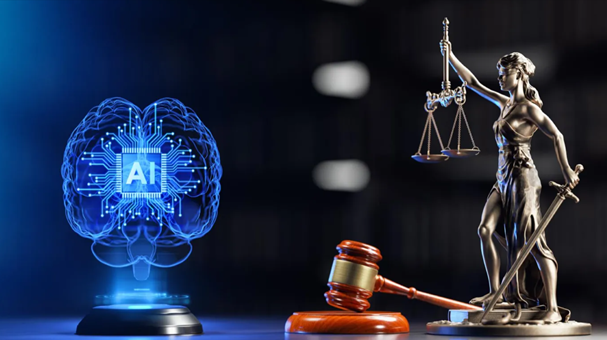
Artificial Intelligence and Law – How Technology Is Transforming the Legal World!
Introduction to Artificial Intelligence and Law
Artificial Intelligence and Law is no longer a futuristic idea pulled straight from a science fiction movie. It is here, it is real, and it is already reshaping how legal systems work across the globe. From drafting contracts in minutes to predicting case outcomes, AI is quietly becoming a powerful ally—and sometimes a controversial disruptor—in the legal world.
Think of the legal system as a massive library filled with millions of books, files, and precedents. Traditionally, lawyers and judges had to manually search through this library. Artificial Intelligence and Law is like a super-librarian that can scan the entire collection in seconds. Sounds impressive, right? But with great power comes great responsibility, especially when justice is at stake.
Let’s break down how artificial intelligence and law intersect, Artificial Intelligence and Law where AI helps, where it complicates things, and what the future may look like.
Understanding Artificial Intelligence in Simple Terms
What Is Artificial Intelligence?
Artificial Intelligence, or AI, refers to computer systems designed to perform tasks that usually require human intelligence. These tasks include understanding language, recognizing patterns, learning from experience, and making decisions.
In simple words, AI teaches machines how to “think” in a limited way. It doesn’t feel emotions or understand morality like humans do, but it can process information at lightning speed.
Key Types of AI Used Today
Narrow AI
Narrow AI is designed to perform a specific task. Most legal AI tools fall into this category. Artificial Intelligence and Law They don’t think broadly like humans but excel at focused tasks such as document review or legal research.
Machine Learning and Deep Learning
Machine learning allows systems to learn from data without being explicitly programmed. Deep learning goes a step further by mimicking the human brain through neural networks. Artificial Intelligence and Law These technologies help AI analyze complex legal data and spot patterns humans might miss.
The Intersection of Artificial Intelligence and Law
Why Law Needs AI
The legal industry deals with enormous amounts of data—contracts, case laws, statutes, and regulations. Handling this data manually is time-consuming, expensive, and prone to error. AI steps in to reduce the workload and improve efficiency.
How AI Fits into Legal Systems
AI doesn’t replace the law; it supports it. Think of AI as a powerful calculator for lawyers and judges. It helps analyze, predict, and organize—but the final decisions still rest with humans.
Applications of Artificial Intelligence in the Legal Industry
Legal Research and Case Analysis
Legal research used to take days or even weeks. AI-powered tools can now scan thousands of legal documents in minutes. They identify relevant precedents, summarize cases, and highlight key arguments.
It’s like having a junior associate who never sleeps and never complains.
Contract Review and Management
AI can review contracts faster than humans, flagging risks, inconsistencies, and missing clauses. Businesses use AI to manage thousands of contracts efficiently, saving time and money.
Predictive Analytics in Legal Decisions
Predictive analytics uses historical data to forecast case outcomes. Lawyers can estimate the chances of winning a case, expected settlement amounts, or how long litigation may take. While not perfect, it offers valuable insights.
AI-Powered Chatbots and Virtual Legal Assistants
Legal chatbots answer basic legal questions, guide users through forms, and provide initial legal support. They improve access to justice, especially for people who cannot afford traditional legal services.
Artificial Intelligence in Courts and Judicial Systems
AI in Case Management
Courts use AI to manage case backlogs, schedule hearings, and allocate resources efficiently. This reduces delays and improves the overall justice delivery system.
Sentencing and Risk Assessment Tools
Some jurisdictions use AI to assess the risk of reoffending or flight. These tools assist judges but also raise serious concerns about fairness and bias.
Benefits of Artificial Intelligence in Law
Speed and Efficiency
AI accelerates legal processes. Tasks that once took weeks now take hours. This efficiency benefits lawyers, courts, and clients alike.
Cost Reduction
By automating repetitive tasks, AI reduces legal costs. This makes legal services more accessible to small businesses and individuals.
Improved Accuracy and Consistency
AI minimizes human error. It applies rules consistently, which can improve fairness—if the underlying data is unbiased.
Ethical Challenges of Artificial Intelligence and Law
Bias and Discrimination in AI Systems
AI systems learn from data. If the data is biased, the AI will be biased too. This is a major concern in criminal justice and hiring-related legal decisions.
Transparency and Explainability
Many AI systems operate like “black boxes.” If an AI recommends a legal decision, we must understand why. Transparency is essential for trust.
Accountability and Responsibility
If an AI system makes a mistake, who is responsible? The developer? The user? The institution? This question sits at the heart of AI and law debates.
Legal and Regulatory Issues Surrounding AI
Data Privacy and Protection
AI relies on massive datasets, often containing sensitive personal information. Strong data protection laws are essential to prevent misuse.
Intellectual Property Rights and AI
Who owns AI-generated content? Can an AI be an inventor? These questions challenge traditional intellectual property laws.
Liability for AI-Driven Decisions
When AI causes harm, assigning legal liability becomes complex. Legal systems worldwide are struggling to keep up.
Artificial Intelligence and Legal Professionals
How AI Is Changing the Role of Lawyers
AI is not replacing lawyers—it’s reshaping their roles. Lawyers now focus more on strategy, negotiation, and human judgment rather than repetitive tasks.
Skills Lawyers Need in the AI Era
Modern lawyers need tech literacy, data interpretation skills, and ethical awareness. Understanding AI is becoming as important as understanding the law itself.
Artificial Intelligence in Law Enforcement
Predictive Policing
AI analyzes crime data to predict where crimes may occur. While useful, it raises concerns about over-policing and civil liberties.
Surveillance and Facial Recognition
Facial recognition helps identify suspects but also threatens privacy. Legal frameworks must balance security and individual rights.
Global Perspectives on Artificial Intelligence and Law
AI Regulations in Different Countries
Some countries favor strict AI regulations, while others promote innovation with minimal oversight. This creates a fragmented global legal landscape.
International Cooperation and Standards
Global cooperation is crucial. Shared standards can ensure ethical AI development while encouraging innovation.
Future of Artificial Intelligence and Law
Emerging Trends
Expect smarter legal AI tools, better explainability, and increased regulation. AI will become more collaborative rather than authoritative.
Balancing Innovation with Justice
The challenge lies in embracing technology without sacrificing fairness, accountability, and human dignity.
Challenges Ahead for Artificial Intelligence and Law
Legal systems move slowly, while technology moves fast. Bridging this gap will require collaboration between lawmakers, technologists, and legal professionals.
Conclusion
Artificial Intelligence and Law represent one of the most fascinating partnerships of our time. AI offers speed, efficiency, and accessibility, but it also challenges long-standing legal principles. The key is balance. When used responsibly, AI can strengthen justice systems rather than weaken them. The future of law will not be human versus machine—it will be human and machine working together.
Frequently Asked Questions (FAQs)
1. Can artificial intelligence replace lawyers completely?
No, AI supports lawyers but cannot replace human judgment, ethics, and creativity.
2. Is AI used in court decisions?
AI assists with analysis and risk assessment, but final decisions are made by judges.
3. What are the biggest risks of AI in law?
Bias, lack of transparency, and accountability issues are the main concerns.
4. How does AI improve access to justice?
By reducing costs and providing basic legal assistance through chatbots and automation.
5. Will AI laws be standardized globally?
Global standards are likely, but national differences will remain.