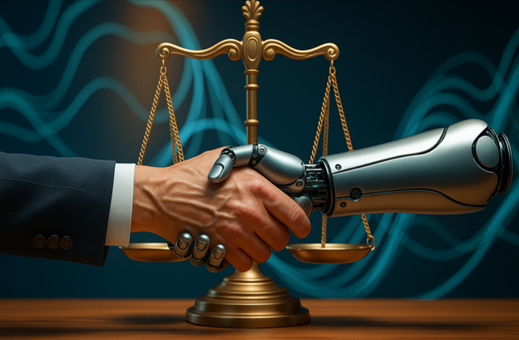
Artificial Intelligence and Legal Liability – Who Is Responsible in the Age of Smart Machines?
Introduction to Artificial Intelligence and Legal Liability
Artificial Intelligence and Legal Liability (AI) is no longer science fiction. It’s in your phone, your car, your bank, and even your doctor’s office. But here’s the big question—when AI makes a mistake, who pays for it?
That’s where Artificial Intelligence and Legal Liability come into play. As AI systems become smarter and more autonomous, legal systems around the world are struggling to answer a simple yet powerful question: Who is responsible when AI causes harm?
What Is Artificial Intelligence?
Artificial Intelligence and Legal Liability refers to machines or software systems that can perform tasks typically requiring human intelligence. Think decision-making, learning, recognizing speech, or even driving a car.
Some AI systems follow strict programming. Others learn from data and evolve over time. The more advanced they become, the harder it is to predict their actions.
Why Legal Liability Matters in AI
Legal liability determines who is responsible for damage or injury. Artificial Intelligence and Legal Liability Without clear liability rules, victims may not get compensation. At the same time, innovators may hesitate to develop new technologies if legal risks are unclear.
In short, liability rules shape the future of AI innovation.
The Rapid Growth of AI Across Industries
AI isn’t limited to tech companies anymore. It’s everywhere.
AI in Healthcare
AI tools diagnose diseases, suggest treatments, and analyze medical scans. They can detect cancer earlier than human doctors in some cases. But what if the AI misdiagnoses a patient?
AI in Transportation
Self-driving cars promise fewer accidents. But when an autonomous vehicle crashes, is it the manufacturer’s fault? The software developer’s? Or the passenger’s?
AI in Finance and Business
Banks use AI to detect fraud and approve loans. Businesses use it to make hiring decisions. But biased algorithms can discriminate unfairly.
AI in Everyday Consumer Technology
From smart assistants to recommendation engines, AI shapes daily life. Most of the time, it works perfectly. But when it doesn’t, legal questions arise.
Understanding Legal Liability
Before diving deeper, let’s simplify the legal basics.
Civil Liability vs Criminal Liability
-
Civil liability involves compensation for harm.
-
Criminal liability involves punishment for wrongdoing.
Most AI-related cases fall under civil law—especially negligence and product liability.
Tort Law and Product Liability Basics
Tort law deals with harm caused by one party to another. Product liability holds manufacturers responsible for defective products. The question is: Is AI a product, a service, or something entirely new?
Who Can Be Held Liable for AI Actions?
Here’s where things get interesting.
Developers and Programmers
If a developer writes faulty code that leads to harm, they may be liable. But what if the AI learned harmful behavior on its own?
Manufacturers
Companies that sell AI-powered products can be held responsible if the product is defective.
Users and Operators
Sometimes, users misuse AI systems. In such cases, liability may shift to the operator.
AI Systems Themselves – A Legal Person?
Can AI be treated like a person under the law? Currently, no country fully recognizes AI as a legal person. But the debate is ongoing.
AI and Product Liability Law
Product liability laws may apply to AI systems embedded in devices.
Defective Design
If an AI system is poorly designed and causes harm, manufacturers can be liable.
Failure to Warn
Companies must inform users about risks. If they fail to provide proper warnings, they may face lawsuits.
Manufacturing Defects
If the AI hardware malfunctions due to production issues, liability is clearer.
Negligence and Artificial Intelligence
Negligence requires proving four elements: duty, breach, causation, and damage.
Duty of Care in AI Development
Developers have a duty to ensure reasonable safety standards.
Breach of Duty and Causation
If they fail to test AI properly and harm occurs, they may be negligent.
Autonomous Vehicles and Liability Challenges
Self-driving cars are a legal puzzle on wheels.
Accidents Involving Self-Driving Cars
When a human drives, responsibility is straightforward. With autonomous vehicles, responsibility becomes shared among manufacturers, software developers, and possibly drivers.
Insurance Implications
Insurance models are evolving. Some experts predict mandatory AI insurance policies in the future.
AI in Healthcare: Medical Malpractice Issues
AI tools assist doctors—but they don’t replace them (yet).
Diagnostic Errors by AI
If AI provides a wrong diagnosis, who is liable? The hospital? The software provider?
Shared Responsibility Between Doctor and AI
Doctors are generally expected to verify AI recommendations. So liability may be shared.
Criminal Liability and AI
Can AI commit a crime?
Can AI Commit a Crime?
AI lacks intent, which is crucial in criminal law. Therefore, AI itself cannot be criminally liable.
Assigning Responsibility in Criminal Cases
Responsibility usually falls on individuals or corporations behind the AI system.
Ethical Considerations in AI Liability
Legal rules aren’t enough. Ethics matter too.
Bias and Discrimination
AI systems trained on biased data can produce discriminatory results. This creates legal and moral problems.
Transparency and Accountability
If AI operates like a “black box,” proving liability becomes difficult. Transparency is key.
The Role of Government and Regulation
Governments are racing to regulate AI.
Existing Laws
Current laws—like consumer protection and data privacy laws—partially cover AI.
Emerging AI-Specific Regulations
Regions like the European Union are introducing AI-focused regulations to ensure safety and accountability.
International Perspectives on AI Liability
Different countries approach AI liability differently.
European Union Approach
The EU emphasizes strict regulations and risk-based frameworks.
United States Approach
The U.S. relies more on existing tort and product liability laws.
Global Regulatory Trends
Globally, there’s a move toward clearer rules, transparency, and accountability.
The Future of Artificial Intelligence and Legal Liability
What’s next?
Strict Liability for AI?
Some experts suggest strict liability—meaning companies would be responsible regardless of fault.
AI Insurance Models
Just like car insurance, AI liability insurance may become mandatory.
Practical Steps for Businesses Using AI
If you’re using AI in your business, don’t ignore legal risks.
Risk Assessment
Identify potential harm your AI system could cause.
Compliance and Documentation
Maintain records of testing, data sources, and safety measures.
Ethical AI Governance
Implement ethical guidelines and oversight mechanisms.
Conclusion
Artificial intelligence is reshaping the world faster than laws can keep up. The issue of artificial intelligence and legal liability is not just a technical debate—it’s about fairness, accountability, and trust.
When AI systems cause harm, someone must be responsible. Whether it’s developers, manufacturers, users, or corporations, legal systems must adapt.
The future of AI depends not just on innovation—but on responsibility. After all, technology without accountability is like a car without brakes. Exciting? Maybe. Safe? Not quite.
FAQs
1. Who is liable if an AI system makes a mistake?
Liability typically falls on developers, manufacturers, or users, depending on the situation and applicable laws.
2. Can AI be sued directly?
No. AI systems are not recognized as legal persons and cannot be sued directly.
3. How does product liability apply to AI?
If an AI-powered product is defective or unsafe, manufacturers can be held liable under product liability laws.
4. Are there specific AI liability laws?
Some regions are developing AI-specific regulations, but many countries still rely on existing legal frameworks.
5. Will AI insurance become mandatory?
It’s possible. As AI risks grow, mandatory insurance models may become common.