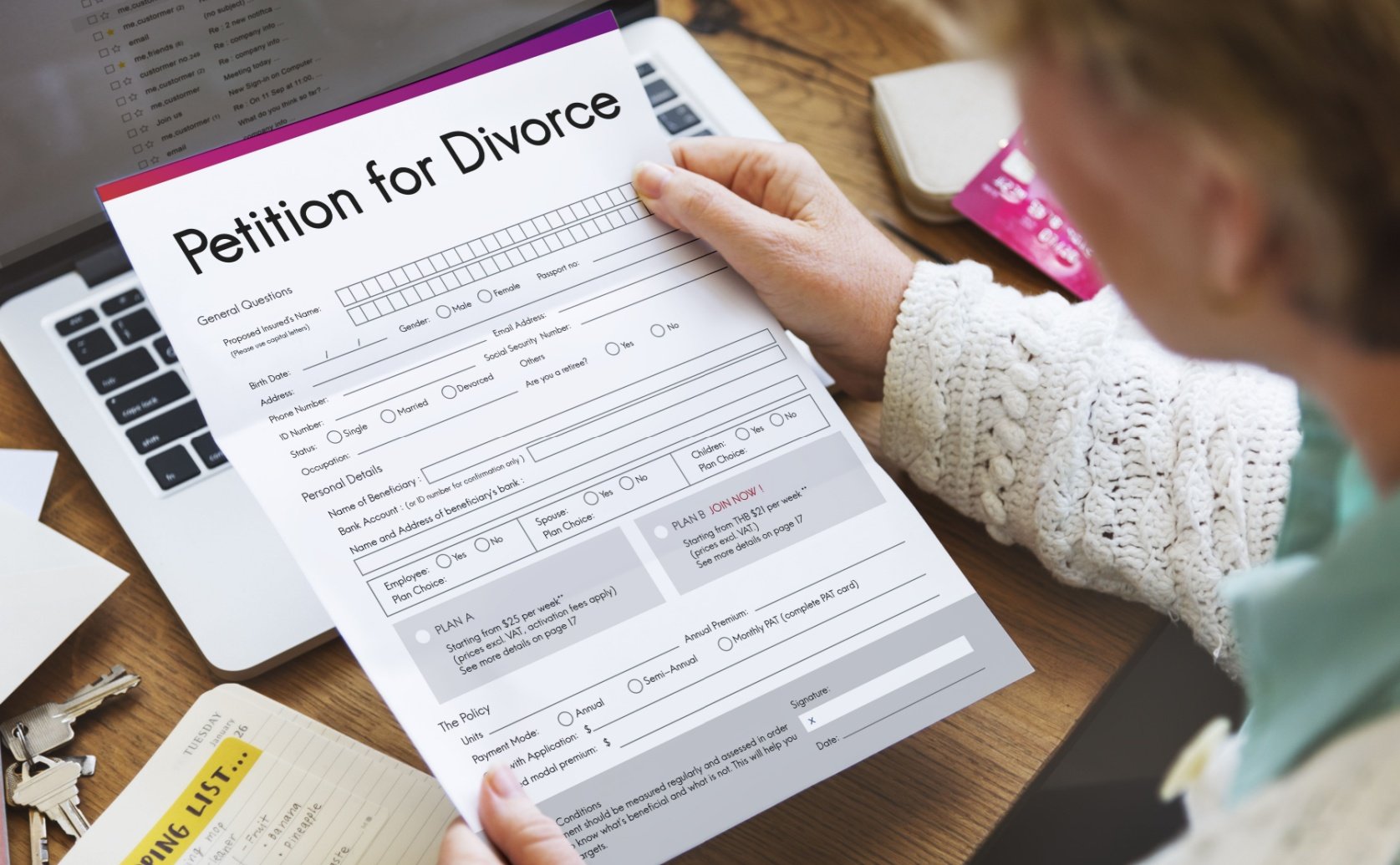
Disadvantages of Filing for Divorce First (What You Need To Know)
Filing for divorce is a big step. Many people are told that being the first to file is always a smart move, a way to gain control and get ahead. It can sound like a secret strategy that guarantees better results.
In real life, it is not that simple.
While filing first can offer certain strategic benefits, it’s important to understand the disadvantages of filing for divorce first. You may face higher upfront costs, increased stress, and potential strain on important relationships, especially when children are involved.
This post explains what it really means to be the first to file, the common myths around it, and the key downsides you should think about before taking that step. The goal is to help you slow down, think clearly, and make choices that fit your life and your family.
Laws about divorce can vary a lot from state to state. This article is general information, not legal advice. For decisions about your own situation, always talk to a family law attorney in your area.
https://www.youtube.com/watch?v=7cEr5uav3zU
What It Really Means To Be the First To File for Divorce
Before looking at the disadvantages, it helps to understand what “filing first” actually involves.
When you file first, you start the court case. You are the one who walks into the courthouse (or files online) and opens the divorce. On paper, you are usually called the petitioner or plaintiff. Your spouse is called the respondent or defendant.
Filing first means you set the basic frame for the case. Your first set of papers tells the court you want a divorce and gives the basic story, like when you married, if you have kids, and if there is property or debt to divide. It also says what you want the court to do about those issues.
People often hear that if you go first, you will control the whole process. That idea is only partly true. You do control the timing of the first move. You also might have some choice about which county to file in if both are possible. But after that, the court rules, the judge, and your spouse’s response all shape what happens.
Filing first can feel powerful. You are not waiting for something to happen to you, you are making something happen. At the same time, you are also the one who jumps into a legal process early, pays the first fees, and takes on more pressure right away.
Understanding these basics makes it easier to see where the hidden downsides can show up.
How the divorce filing process usually works
In a typical divorce case, the process starts with a divorce petition. This is a legal form or packet of forms that the first spouse fills out and files with the court.
The petition usually includes:
- Basic facts about the marriage and separation
- Requests about how to divide property and debts
- Requests about child custody, parenting time, and decision making
- Requests about child support and possibly spousal support (alimony)
After the petition is filed, the court gives a case number. That starts the clock.
Next, the petitioner has to serve the papers. This means making sure the other spouse gets an official copy, usually through a process server, sheriff, or other approved method. This step can cost money and can feel personal, especially if the spouse is surprised.
Once served, the respondent has a limited time to file a written answer. The response might agree with some parts, disagree with others, or add requests of its own.
From there, the case can move in many directions. There may be:
- Temporary orders about money, parenting time, or who stays in the home
- Required financial disclosures
- Settlement talks or mediation
- Hearings or a trial if you cannot agree
Filing first gets that whole process started, but it does not guarantee control over how it ends.
Common myths about filing for divorce first
Many people base their choices on simple stories they hear from friends or social media. Common myths include ideas like:
- “The first filer always wins.” Courts look at facts and law, not who filed first.
- “If I file first, I will get the kids or the house.” Custody and property are decided based on state law and what is best for the children, not on who filed the petition.
- “The first filer pays less support.” Child support and spousal support are usually set by guidelines and evidence of income.
- “Filing first is always a smart power move.” In some cases it helps, in many cases it just starts a longer and more expensive fight.
These myths can push people to run to the courthouse before they are ready. That is where many of the disadvantages begin.
When filing first might matter and when it does not
Filing first can matter in some limited ways. For example:
- You might have some choice over which county’s court hears the case.
- You control when the case starts, which can affect timelines.
- You may feel emotionally stronger by taking the first step.
However, judges still must follow the law. They care about fair division of property, accurate income numbers, and the best interests of the children. They do not automatically reward someone just because they filed first.
This article focuses on the other side of the story, the real costs and risks that people often overlook when they rush to be first.
Legal and Financial Disadvantages of Filing for Divorce First
Filing for divorce is not just a personal step. It is also a legal and financial move that can shape your budget and your options.
Higher upfront costs and filing fees for the spouse who files first
The spouse who files first usually pays:
- The initial court filing fee
- The cost of having the papers served
These fees can range from small to quite high, depending on the court. On top of that, if you hire a lawyer, the first filer often spends more time on early planning, documents, and strategy. That can mean a larger upfront retainer or more hours billed at the start.
Over months, total costs may even out between both spouses. Even so, if money is tight, that early spike can feel heavy. Someone with no savings or access to credit can struggle to pay those first bills and may feel stuck rushing choices to save time.
Less time to prepare financial records and legal strategy
When a person decides to file fast, they might not be fully prepared. Important steps can get skipped, like:
- Gathering bank and credit card statements
- Collecting retirement and investment records
- Listing debts and monthly bills
- Tracking actual income and expenses
If your financial picture is not clear, your early court papers may be weak or incomplete. You might leave out accounts, guess at values, or miss key facts.
The spouse who responds, on the other hand, gets to read your petition first. They see what you are asking for and how you are framing the case. Then they have a bit of time to meet with a lawyer, plan a response, and build their own strategy. That extra time can make a difference in early hearings and talks.
Risk of making strong demands in the petition that backfire later
In most cases, the first petition must state what you want.
If you are scared or angry, it is easy to ask for the maximum on every issue. For example, you might ask for sole custody, most of the property, and high support. That can feel safe in the moment, like starting from a strong position.
However, very strong demands can:
- Make your spouse defensive
- Trigger a “fight back” reaction
- Make settlement harder and slower
On the flip side, if you ask for very little because you feel guilty or want to keep peace, it can limit your room to move later. Your spouse’s lawyer might argue that your first request shows what you think is fair.
Judges and lawyers read those first papers closely. Even if they know things change over time, bold or extreme first requests can shape how they view the tone of the case.
Possible disadvantage in settlement talks and mediation
Once your spouse sees your petition, they respond both emotionally and legally. If the filing is a surprise or feels harsh, it can turn a situation that might have stayed calm into open conflict.
In settlement talks or mediation, the other side may:
- Paint you as aggressive, impatient, or unfair
- Refuse reasonable offers because they feel hurt or attacked
- Push for “payback” instead of compromise
If you hoped to solve things cooperatively, a rushed or one sided first filing can hurt that chance. It can poison trust at the very start, which often means more hearings, more lawyer time, and more cost for both of you.
Emotional and Relationship Costs of Filing for Divorce First
Divorce is not just paperwork. It is about family, identity, and change. The person who files first often carries a heavy emotional load.
Being seen as the “bad guy” by your spouse, kids, or family
Even when both spouses know the marriage is not working, the one who files first often gets blamed.
Your spouse might say things like:
- “You ended the marriage.”
- “You broke up our family.”
- “You chose the court over us.”
Friends, in laws, and even your own parents can take sides. Some may not know the whole story. They might assume the filer wanted the split more, or that they were less committed to the marriage.
Children, especially younger ones, can also see the filer as the person “who started it.” That can be painful, even if you tried your best for years. In small communities, gossip and judgment can follow you at work, church, or school.
More stress, pressure, and decision fatigue on the first filer
Filing first means you make a series of hard choices early, such as:
- When to file
- What to ask for in the petition
- How and when to serve your spouse
- What to tell your children and family
Each choice can bring doubt. You may lie awake wondering if you moved too fast or too slow, asked for too much or too little, or hurt your spouse in a way you did not want.
This pressure can increase:
- Anxiety and worry
- Trouble sleeping
- Headaches or stomach issues
- Trouble focusing at work or with kids
You might also feel guilt about starting something that you cannot easily stop. That emotional weight adds to the normal stress of daily life.
How filing first can harm trust and co parenting
In families with children, co parenting after divorce works best when both parents still trust each other at some level. Filing first without warning can tear that thin trust.
Picture a parent being served at work, in front of coworkers. Or finding papers on the doorstep with no conversation first. Even if filing was necessary, the way it happens can feel like a betrayal.
That feeling can show up later as:
- Fights over parenting schedules
- Arguments about school choices or activities
- Refusal to share information about the kids
- Anger about money for clothes, sports, or medical care
These conflicts do not end when the court case ends. They can last for years. Children often feel stuck in the middle when parents cannot talk or cooperate.
Emotional impact of starting a legal fight instead of trying other options
Once court papers are filed, it often feels like the battle has started. Each side may run to get a lawyer, gather “evidence,” and protect themselves.
In that mindset, it is harder to:
- Try marriage counseling together
- Agree on a trial separation with clear ground rules
- Sit down and talk calmly about money and parenting
- Explore low conflict mediation before filing
Some people later say they wish they had tried one more round of counseling or a clear plan before opening a court case. Filing first can lock you into a path that is harder to soften later, even if both of you regret how fast things moved.
Practical Situations When Filing First Can Be a Real Disadvantage
There is no one right answer for everyone. Still, in some real life situations, being first can create more problems than it solves.
When you are not financially ready for the costs of divorce
Divorce changes your money life quickly. If you file when:
- You have no savings
- Your credit cards are maxed out
- You are between jobs
- You depend fully on your spouse’s income
you may face stress right away. You might struggle to pay:
- The initial lawyer retainer
- Court and service fees
- A new place to live if someone moves out
- Separate bills for food, transport, and childcare
Meanwhile, the spouse who responds may have time to set aside money, borrow from family, or talk to a financial planner before they act. That can leave you feeling behind even though you started the case.
When you might move, change jobs, or relocate soon
Filing for divorce usually locks your case into a certain court. If you file in one city or state, then later move for a new job, family support, or lower living costs, you might still have to travel back for hearings or meetings.
That can mean:
- Time off work to appear in court
- Travel and lodging costs
- Hiring a second lawyer if you end up with issues in the new state
Court location can also affect future decisions about where the children live or go to school. Filing too soon in one place can make later moves more complex than they needed to be.
When safety, power, or control is an issue in the relationship
In some relationships, there are real safety concerns, like threats, stalking, or strong control over money and movement. In these cases, filing first without a safety plan can be dangerous.
An angry or controlling spouse might:
- React with yelling or threats
- Cut off access to shared money
- Try to control where you or the kids go
If safety is a concern, it is very important to talk to a local lawyer, a domestic violence advocate, a therapist, or a trusted support person before filing. They can help you plan safe steps, such as where to stay, how to protect money, and what legal tools might be available.
Do not face this alone. Help is available in most communities through hotlines and local support services.
When your spouse is open to cooperative divorce or mediation
Some couples reach a point where they know they need to separate but still treat each other with care. They may want to:
- Talk through money and parenting first
- Use a mediator to guide calm talks
- Create a written plan together
If your spouse is open to a cooperative process, filing first in a surprise way can feel like a slap in the face. It can send a message that you do not trust them, even if that was not your goal.
This can shut down the possibility of a joint, lower conflict approach. Instead, you may both end up in a more hostile court fight that costs more money and brings more stress.
How To Decide If Filing for Divorce First Is Really Right for You
Even with real disadvantages, there are times when filing first is the right choice. The key is to make that choice with clear eyes, not fear or pressure.
Questions to ask yourself before you go to the courthouse
Before filing, it can help to sit quietly and ask yourself:
- Am I safe right now, and are my kids safe?
- Do I have at least a basic picture of our finances?
- Do I know my goals for custody, support, and property?
- Am I ready for friends and family to know about the divorce?
- Have I tried counseling, or am I sure I do not want that?
- Would mediation or a planned separation be worth trying first?
- Do I have some money or a plan to cover early legal and living costs?
Honest answers to these questions can guide your timing and your next steps.
Why talking to a family law attorney early can protect you
A short consult with a family law attorney can give you important information, even if you are not sure you want to file yet.
An attorney can:
- Explain the basics of divorce law in your state
- Share how judges in your area usually handle custody and support
- Walk through pros and cons of filing first in your situation
- Suggest financial and safety steps to take before any filing
- Help you understand what documents to start gathering
This article is not legal advice. Every case is different, and local rules matter. Talking with a real lawyer can help you avoid mistakes that are hard to undo later.
Alternatives to rushing into filing for divorce first
For some people, especially those in unsafe or extreme situations, waiting to act is not wise. Safety comes first.
For others, there may be options that reduce many of the disadvantages we have talked about, such as:
- Trial separation with a clear plan for money and parenting
- Marriage counseling, either together or alone, to gain clarity
- Financial planning to build savings or pay down debt before filing
- Mediation talks before anyone opens a court case
- Separation agreements that you both sign, which can later support the divorce
These paths do not fit every couple. Still, taking a bit more time to plan can lower stress, protect kids from conflict, and reduce the risk of rushed choices you regret.
Conclusion
Filing for divorce first can look like a strong move from the outside, but there are serious disadvantages to think through. The first filer often faces higher upfront costs, less time to prepare finances and strategy, and a real risk of making early demands that hurt later talks. On top of that, being the one who starts the case can bring blame, strain co parenting, and damage trust with family and friends.
In some practical situations, such as when money is tight, a move is coming, or safety is fragile, going first without a solid plan can make life even harder. You do not have to rush into the courthouse to protect yourself. You can pause, get clear on your goals, and gather information.
If you are considering divorce, take time to talk with a family law attorney and, if safe, a counselor or trusted support person. Careful planning will not erase all the pain, but it can lower stress for you and your children and give you more control over the path ahead. You are not alone, and you deserve a plan that protects your future, not just a fast first move.