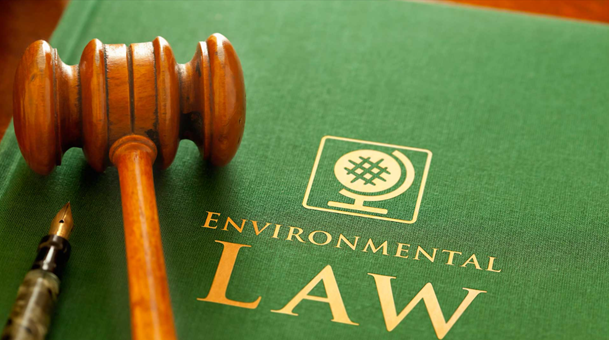
Environmental Law and Sustainable Development – Building a Greener Future Through Legal Frameworks!
Introduction to Environmental Law and Sustainable Development
Environmental Law and Sustainable Development Let’s face it—our planet is under pressure. From climate change to pollution, deforestation to water scarcity, the challenges are piling up fast. This is where environmental law and sustainable development step in like a guiding compass, helping societies grow without destroying the very resources they depend on.
What Is Environmental Law?
Environmental law is a set of rules, regulations, treaties, and policies designed to protect the environment from harmful human activities. Think of it as the planet’s legal shield. Environmental Law and Sustainable Development governs how we use natural resources, manage waste, control pollution, and protect ecosystems. Without environmental law, there would be little accountability for environmental damage.
Understanding Sustainable Development
Sustainable development is all about balance. Environmental Law and Sustainable Development It means meeting our present needs without compromising the ability of future generations to meet theirs. Imagine borrowing from a bank account—you don’t want to empty it today and leave nothing for tomorrow. That’s the core idea behind sustainability.
Why These Two Concepts Are Interconnected
Environmental law provides the legal backbone for sustainable development. Environmental Law and Sustainable Development While sustainability sets the goal, environmental law lays down the rules to achieve it. Together, they form a powerful framework for long-term environmental protection and economic growth.
The Evolution of Environmental Law
Environmental law didn’t just appear overnight. Environmental Law and Sustainable Development It evolved alongside growing awareness of environmental degradation.
Early Environmental Regulations
Environmental Law and Sustainable Development early days, environmental regulations focused mainly on public health—clean water, sanitation, and basic pollution control. These laws were reactive, responding to visible damage rather than preventing it.
Global Environmental Awareness Movements
The 20th century marked a turning point. Events like oil spills, Environmental Law and Sustainable Development industrial disasters, and rising pollution levels sparked global concern. Environmental movements gained momentum, pushing governments to take action.
Modern Environmental Legal Systems
Today, environmental law is proactive and comprehensive. It addresses climate change, biodiversity loss, and sustainable resource management, integrating science, economics, and social justice into legal frameworks.
Core Principles of Environmental Law
Environmental Law and Sustainable Development is built on a few key principles that guide decision-making worldwide.
Precautionary Principle
When there’s a risk of serious environmental harm, lack of full scientific certainty shouldn’t be an excuse to delay action. In simple terms: better safe than sorry.
Polluter Pays Principle
If you cause environmental damage, you should pay for it. This principle ensures accountability and discourages harmful practices.
Principle of Sustainable Use
Natural resources should be used wisely and responsibly. Environmental Law and Sustainable Development Overexploitation today can lead to scarcity tomorrow.
Intergenerational Equity
We’re not the only ones who matter. Future generations have a right to a healthy environment too.
Sustainable Development Explained
Sustainable development rests on three interconnected pillars.
The Three Pillars of Sustainable Development
Environmental Sustainability
This focuses on protecting ecosystems, reducing pollution, and conserving biodiversity.
Economic Sustainability
Economic growth should be inclusive and resource-efficient, creating jobs without harming the environment.
Social Sustainability
This ensures social equity, access to resources, and improved quality of life for all.
Sustainable Development Goals (SDGs)
The United Nations’ SDGs provide a global roadmap for sustainable development, covering issues like clean energy, climate action, and responsible consumption.
Role of Environmental Law in Achieving Sustainable Development
Environmental law turns sustainability goals into enforceable actions.
Regulating Natural Resource Use
Laws control mining, forestry, fishing, and water usage to prevent overexploitation.
Controlling Pollution and Emissions
Environmental regulations limit emissions, manage waste, and promote cleaner production methods.
Promoting Renewable Energy
Legal incentives and policies encourage the use of renewable energy sources like solar and wind power.
International Environmental Law and Sustainability
Environmental issues don’t respect borders, making international cooperation essential.
Major International Environmental Treaties
Agreements like the Paris Climate Agreement and the Convention on Biological Diversity play a crucial role in global sustainability efforts.
Role of the United Nations
The UN facilitates cooperation, sets global standards, and supports countries in implementing environmental laws.
Cross-Border Environmental Challenges
Issues like climate change and ocean pollution require collective action and shared responsibility.
National Environmental Laws and Policies
Each country adapts environmental law to its unique context.
Environmental Law Frameworks in Developing Countries
Developing nations focus on balancing economic growth with environmental protection, often facing resource constraints.
Environmental Regulations in Developed Nations
Developed countries typically have stricter environmental standards and advanced enforcement mechanisms.
Policy Implementation Challenges
Lack of funding, weak governance, and political pressure can hinder effective implementation.
Environmental Impact Assessment (EIA)
What Is an Environmental Impact Assessment?
EIA is a process used to evaluate the environmental consequences of proposed projects before approval.
Importance of EIA in Sustainable Development
EIAs help prevent environmental damage by identifying risks early and suggesting mitigation measures.
Legal Requirements for EIA
Many countries mandate EIAs for major projects, making them a key tool in environmental law.
Corporate Responsibility and Environmental Law
Businesses play a major role in sustainable development.
Environmental Compliance for Businesses
Companies must comply with environmental regulations to avoid penalties and reputational damage.
Corporate Social Responsibility (CSR)
CSR initiatives encourage businesses to go beyond compliance and actively support sustainability.
Green Business Practices
Eco-friendly practices not only protect the environment but also improve long-term profitability.
Climate Change Laws and Sustainable Development
Climate Change as a Legal Issue
Climate change is no longer just an environmental issue—it’s a legal one too.
National and International Climate Laws
Governments are enacting laws to reduce emissions and promote climate resilience.
Legal Tools for Climate Mitigation and Adaptation
Carbon pricing, emission trading, and renewable energy mandates are common legal tools.
Environmental Justice and Human Rights
Environmental Rights as Human Rights
A clean and healthy environment is increasingly recognized as a fundamental human right.
Protecting Vulnerable Communities
Environmental law aims to protect communities disproportionately affected by environmental harm.
Public Participation in Environmental Decision-Making
Transparency and public involvement strengthen environmental governance.
Challenges in Environmental Law Enforcement
Weak Implementation and Monitoring
Laws are only effective if properly enforced.
Lack of Awareness and Resources
Limited knowledge and funding can undermine environmental protection efforts.
Political and Economic Pressures
Short-term economic interests often clash with long-term sustainability goals.
Technological Innovation and Environmental Law
Role of Technology in Environmental Protection
Technology helps monitor pollution, manage resources, and enforce regulations.
Legal Frameworks Supporting Green Technology
Supportive laws encourage innovation in clean and sustainable technologies.
Digital Monitoring and Compliance
Digital tools improve transparency and accountability.
Future Trends in Environmental Law and Sustainable Development
Strengthening Global Cooperation
Collaboration will be key to tackling global environmental challenges.
Integrating Sustainability into All Laws
Sustainability is becoming a core consideration across legal systems.
Community-Led Environmental Governance
Local communities are playing a growing role in environmental decision-making.
Conclusion
Environmental law and sustainable development are two sides of the same coin. Together, they provide a roadmap for protecting our planet while ensuring economic and social progress. As environmental challenges grow more complex, strong legal frameworks and collective action will be essential. The future depends on the choices we make today—and the laws we enforce to protect tomorrow.
Frequently Asked Questions (FAQs)
1. What is the main purpose of environmental law?
Environmental law aims to protect the environment, regulate human activities, and ensure sustainable use of natural resources.
2. How does environmental law support sustainable development?
It provides legal tools and regulations that promote responsible resource use and environmental protection.
3. Why is sustainable development important?
It ensures long-term economic growth, environmental protection, and social well-being.
4. What role do businesses play in sustainable development?
Businesses contribute by complying with environmental laws, adopting green practices, and supporting sustainability initiatives.
5. Can individuals contribute to environmental sustainability?
Absolutely. Individual actions, combined with strong laws, play a vital role in achieving sustainability.