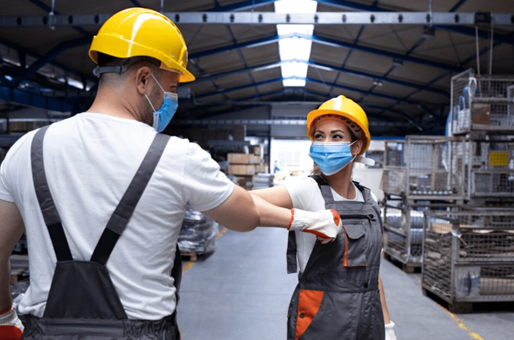
Factory Laws and Workplace Safety Regulations – A Complete Guide to Worker Protection and Industrial Compliance!
Understanding Factory Laws and Workplace Safety
What Are Factory Laws?
Factory Laws and Workplace Safety Regulations frameworks designed to regulate working conditions in industrial environments such as manufacturing plants, warehouses, and processing facilities. These laws aim to protect employees from occupational hazards, ensure safe working environments, and establish clear responsibilities for employers. Think of factory laws as the “rulebook” that keeps workplaces functioning safely, just like traffic rules keep roads organized and reduce accidents.
In many countries, industrialization created a surge in Factory Laws and Workplace Safety Regulations but also introduced dangerous working conditions. Workers were exposed to unsafe machinery, toxic chemicals, long working hours, and poorly ventilated environments. Governments eventually responded by introducing laws that mandate safety protocols and labor protections.
Factory legislation typically includes provisions related to health standards, safety equipment, working hours, child labor restrictions, emergency procedures, and welfare facilities. These regulations require employers to maintain safe machinery, provide adequate lighting and ventilation, and ensure workers receive training to operate equipment safely. For instance, safety provisions often require dangerous machine parts to be fenced and inspected regularly to prevent accidents.
Beyond preventing accidents, factory laws also promote productivity and morale. Factory Laws and Workplace Safety Regulations When workers feel safe and respected, they are more likely to perform effectively. In modern economies, workplace safety is not merely a legal requirement—it is a core component of responsible business management and sustainable industrial growth.
Why Workplace Safety Regulations Exist
Factory Laws and Workplace Safety Regulations exist primarily to protect workers from injuries, illnesses, and fatalities that can occur in industrial environments. Factories are inherently complex workplaces where machinery, chemicals, and heavy equipment create significant risks. Without regulation, the chances of accidents increase dramatically.
Globally, occupational accidents remain a serious issue. Reports indicate that more than 350,000 people die each year due to workplace accidents worldwide, with hundreds of millions more suffering injuries that cause long-term disability or absence from work. These statistics highlight the urgent need for robust safety regulations and enforcement.
In countries with rapidly expanding manufacturing sectors, such as India, workplace safety is particularly important. Government data suggests that around three workers die every day in factory-related accidents, demonstrating how critical proper safety enforcement is. These incidents often result from poorly maintained machinery, lack of training, or insufficient protective equipment.
Safety regulations also help create accountability. Employers must follow legal standards, conduct inspections, and report accidents. When violations occur, penalties and fines can be imposed. This regulatory system encourages businesses to invest in safety infrastructure rather than cutting corners.
Ultimately, workplace safety regulations reflect a broader societal value: human life and health must be protected in economic activities. A factory should never be a place where workers risk their lives simply to earn a living.
Historical Evolution of Factory Safety Laws
Early Industrial Era and Lack of Worker Protection
During the early stages of industrialization in the 18th and 19th centuries, factory conditions were notoriously unsafe. Workers, including children, often labored for extremely long hours in cramped and poorly ventilated spaces. Machinery lacked safety guards, chemical exposure was common, and workplace injuries were treated as unavoidable consequences of industrial work.
Employers had little legal obligation to protect workers. If someone was injured, they often lost their job and received no compensation. Industrial accidents were widespread, and the concept of occupational health barely existed. Many factories operated with minimal oversight, prioritizing production speed and profit over worker welfare.
Public outrage gradually led to social reform movements. Activists, labor unions, and progressive lawmakers began pushing for laws that would regulate working hours, prevent child labor, and improve workplace conditions. These early reforms laid the foundation for modern labor legislation.
By the early 20th century, governments started introducing structured factory laws. These laws required employers to maintain safe machinery, provide sanitation facilities, and ensure workers were not exposed to dangerous environments without protection. Over time, the scope of regulations expanded to include compensation for workplace injuries, health insurance, and employee welfare measures.
The transformation was gradual but significant. Factories evolved from dangerous industrial sites into regulated workplaces where safety standards became mandatory rather than optional.
Modern Workplace Safety Frameworks
Modern workplace safety laws are far more comprehensive than earlier regulations. Today’s frameworks combine health standards, safety inspections, training requirements, and employee welfare provisions into a single regulatory structure.
Many countries have established specialized agencies responsible for monitoring workplace safety. These organizations conduct inspections, investigate accidents, and enforce compliance with safety regulations. Companies must also maintain detailed safety records and report serious incidents to regulatory authorities.
In recent years, new legislation has been introduced to modernize workplace safety standards. For example, updated occupational safety codes aim to consolidate multiple labor laws into unified frameworks that simplify compliance while maintaining worker protections. These reforms often include provisions related to health checkups, safety committees, and standardized working hours.
Data shows that stronger safety regulations can lead to measurable improvements. In some high-risk industries such as construction and mining, safety reforms have contributed to a 12% reduction in fatal accidents after new occupational safety frameworks were implemented.
Modern safety frameworks also emphasize prevention rather than reaction. Instead of merely responding to accidents, companies are required to identify hazards in advance and implement risk management strategies. Safety audits, employee training programs, and advanced monitoring technologies now play central roles in workplace protection.
Key Factory Laws Governing Workplace Safety
The Factories Act and Its Core Principles
One of the most important pieces of legislation governing industrial workplaces is the Factories Act, which sets standards for health, safety, and welfare in manufacturing environments. The law applies to factories employing a specified number of workers and using machinery or manufacturing processes.
The core principles of this law revolve around protecting workers from occupational hazards and ensuring basic living conditions in the workplace. It establishes guidelines for ventilation, cleanliness, lighting, and waste disposal to maintain a healthy working environment. For example, factories must provide adequate fresh air circulation and maintain comfortable temperature levels to prevent heat stress or respiratory problems.
The Act also includes detailed safety provisions. Dangerous machine parts must be properly guarded, and young workers cannot operate certain hazardous equipment. Equipment such as cranes and pressure vessels must undergo regular testing to prevent mechanical failures. Fire safety measures, including emergency exits and firefighting equipment, are mandatory in many industrial facilities.
Another important aspect of the law involves worker welfare. Factories employing large numbers of workers must provide facilities such as canteens, rest rooms, washing areas, and first-aid equipment. In some cases, childcare facilities are required for employees with young children.
By combining safety regulations with welfare provisions, the law aims to create workplaces that protect both the physical and social well-being of employees.
Occupational Safety, Health and Working Conditions Code
In addition to traditional factory legislation, many countries have introduced modern labor codes that consolidate multiple safety laws into a unified framework. One such example is the Occupational Safety, Health and Working Conditions Code, which integrates various labor regulations into a single comprehensive system.
This code expands the scope of workplace safety by covering not only factories but also construction sites, mines, plantations, and other industrial sectors. It emphasizes preventive safety measures and encourages employers to adopt structured safety management systems.
One significant feature of modern occupational safety codes is the requirement for regular health checkups and safety committees in larger establishments. These committees include representatives from both management and workers, ensuring that safety concerns are addressed collaboratively.
Compliance with these codes is monitored through inspections and safety audits. Data indicates that compliance levels have improved significantly in recent years, with about 60% of registered establishments now meeting safety standards, compared to much lower compliance levels in earlier periods.
These reforms aim to modernize labor laws while adapting to changing industrial practices. As industries adopt new technologies and production methods, workplace safety regulations continue evolving to address emerging risks.
Major Components of Workplace Safety Regulations
Health Standards in Factories
Health standards form the foundation of workplace safety regulations. These standards ensure that workers operate in environments that minimize the risk of disease, injury, and long-term health complications.
Factories must maintain high levels of cleanliness and sanitation. Workspaces should be cleaned regularly, and waste materials must be disposed of properly to prevent contamination. Adequate ventilation systems are required to maintain fresh air circulation and control temperature levels.
Lighting is another crucial element. Poor lighting can cause eye strain and increase the likelihood of accidents when workers operate machinery. Safety regulations therefore require sufficient natural or artificial lighting throughout factory premises.
Access to clean drinking water and sanitation facilities is also mandatory. These provisions may seem basic, but they play a critical role in maintaining worker health and preventing the spread of diseases.
Health standards extend beyond physical infrastructure. Many safety laws also require periodic health examinations for workers in hazardous industries. These examinations help detect occupational illnesses at an early stage and prevent long-term health damage.
Safety Measures and Machine Protection
Machinery is one of the most common sources of industrial accidents. Workplace safety regulations therefore focus heavily on machine protection and safe operating procedures.
Factories must install protective guards around moving machine parts to prevent workers from coming into contact with dangerous components. Equipment such as cranes, forklifts, and pressure vessels must undergo regular inspections and maintenance.
Training is equally important. Workers must be trained to operate machinery correctly and understand potential hazards. Without proper training, even advanced safety equipment cannot prevent accidents.
Emergency preparedness is another critical aspect of safety regulations. Factories must maintain fire detection systems, alarms, and evacuation routes to ensure workers can exit safely during emergencies.
Many organizations now implement safety management systems that continuously monitor workplace hazards and identify potential risks before accidents occur. This proactive approach significantly reduces workplace injuries and improves overall operational efficiency.
Worker Welfare Facilities
Workplace safety regulations go beyond accident prevention—they also address worker welfare. These provisions ensure employees have access to facilities that support their comfort and well-being during working hours.
Factories employing large numbers of workers are required to provide canteens where employees can access affordable meals. Restrooms and washing facilities must be clean and accessible, and separate facilities are often provided for male and female workers.
Rest rooms and shelters are another important requirement, especially in large industrial establishments. These spaces allow workers to take breaks and recover from physically demanding tasks.
First-aid facilities are mandatory in most factories. Employers must maintain well-equipped first-aid boxes and ensure trained personnel are available to provide immediate medical assistance.
Childcare facilities are also required in certain situations, particularly in factories employing large numbers of women workers. These provisions help create inclusive workplaces where employees can balance professional and family responsibilities.
Employer Responsibilities Under Factory Laws
Risk Assessment and Hazard Prevention
Employers carry the primary responsibility for maintaining workplace safety. This responsibility begins with identifying potential hazards in the workplace. Risk assessments involve analyzing machinery, work processes, and environmental conditions to determine potential dangers.
Once hazards are identified, employers must implement preventive measures. These may include installing safety barriers, improving ventilation systems, or redesigning workflows to minimize risks.
Regular safety inspections are also required. These inspections help identify issues such as worn-out equipment, blocked emergency exits, or unsafe working practices. Addressing these issues promptly prevents accidents before they occur.
Employers must also maintain records of safety procedures, training programs, and accident reports. These records allow regulatory authorities to verify compliance with safety regulations.
Providing Protective Equipment and Training
Personal protective equipment (PPE) plays a crucial role in workplace safety. Employers must provide workers with appropriate protective gear such as helmets, gloves, goggles, and safety shoes when working in hazardous environments.
Training programs ensure workers understand how to use this equipment effectively. Safety training often includes instructions on machine operation, emergency procedures, and proper handling of chemicals.
Without training, even the best safety equipment can fail. Imagine giving someone a sophisticated tool without explaining how it works—the result would likely be confusion and risk. Safety education bridges that gap.
Employee Rights and Responsibilities
Right to Safe Working Conditions
Workers have the legal right to work in safe environments. This means employers must provide proper equipment, training, and infrastructure that reduce the risk of accidents.
Employees also have the right to report unsafe conditions without fear of retaliation. Whistleblower protections in many labor laws encourage workers to raise safety concerns before accidents occur.
In addition, workers are entitled to compensation if they suffer injuries due to workplace accidents. Compensation systems help cover medical expenses, lost wages, and rehabilitation costs.
Role of Workers in Maintaining Safety
While employers carry most responsibilities, workers also play an important role in maintaining workplace safety. Employees must follow safety procedures, wear protective equipment, and report hazards promptly.
Safety is a shared responsibility. A factory can have the best safety policies in the world, but if workers ignore them, accidents can still occur.
Workers who actively participate in safety programs contribute to creating safer workplaces for everyone.
Challenges in Implementing Workplace Safety Laws
Enforcement Issues and Compliance Gaps
Despite comprehensive regulations, enforcing workplace safety laws remains a challenge in many countries. Limited resources, inadequate inspections, and lack of awareness often lead to compliance gaps.
Small factories and informal industries are particularly difficult to regulate. Many operate outside formal oversight, making it difficult to enforce safety standards.
Statistics reveal that enforcement gaps still exist even in regulated sectors. Thousands of injuries and fatalities occur each year in factories due to unsafe practices and poor compliance.
Addressing these challenges requires stronger inspection systems, better training programs, and increased awareness among employers and workers.
The Future of Factory Safety Regulations
Technology and Smart Safety Systems
The future of workplace safety is closely linked to technological innovation. Modern factories are increasingly using digital systems to monitor safety conditions and prevent accidents.
Sensors, artificial intelligence, and automated monitoring tools can detect hazards such as overheating machines, gas leaks, or unsafe worker behavior. These technologies provide real-time alerts that allow managers to respond immediately.
Predictive analytics is another emerging tool in workplace safety. By analyzing historical accident data, companies can identify patterns and implement preventive measures before incidents occur.
Smart safety systems represent a shift from reactive safety management to proactive risk prevention. As these technologies become more accessible, workplace safety standards will continue improving across industries.
Conclusion
Factory laws and workplace safety regulations form the backbone of modern industrial workplaces. These laws protect workers from hazardous conditions, ensure fair treatment, and establish clear responsibilities for employers.
Over the decades, safety regulations have evolved significantly. Early industrial workplaces were often dangerous and unregulated, but modern legal frameworks now require strict safety measures, health standards, and welfare facilities.
Even with these advancements, challenges remain. Enforcement gaps, lack of awareness, and rapid industrial growth continue to create risks in many sectors. Addressing these challenges requires cooperation between governments, employers, and workers.
Workplace safety is ultimately about valuing human life. When factories operate safely, workers thrive, businesses succeed, and societies benefit from sustainable economic growth.
FAQs
1. What are factory laws?
Factory laws are legal regulations designed to ensure safe working conditions in industrial workplaces. They cover areas such as health standards, machinery safety, working hours, and worker welfare.
2. Why are workplace safety regulations important?
These regulations prevent accidents, protect worker health, and ensure employers follow safe operating practices.
3. What is the main objective of factory safety laws?
The primary objective is to reduce workplace injuries and fatalities while creating safe and healthy environments for employees.
4. What are common workplace hazards in factories?
Common hazards include machinery accidents, chemical exposure, fires, electrical risks, and poor ventilation.
5. Who is responsible for workplace safety in factories?
Employers are primarily responsible for maintaining safety standards, but workers must also follow safety procedures and report hazards.