How Much Is It To Get a Divorce? A Simple Guide To What It Really Costs
Money is often the last thing you want to think about when your marriage is ending. Still, the question pops up fast: how much is it to get a divorce?
The honest answer is that there is no single number. Some people pay only the court filing fee and a bit for help with forms. Others spend tens of thousands of dollars, especially if there are fights over kids or money. It depends on where you live, how complex your life is, and how much you and your spouse can agree.
This guide walks through the most common divorce costs in plain language. You will see how conflict, children, property, and local rules all play a part. You will also see typical price ranges, from low cost options to high conflict cases, so you can plan ahead and avoid surprise bills.
You do not have to become a legal expert. You just need enough information to ask smart questions and choose the path that fits your budget and your safety.
https://www.youtube.com/watch?v=1uwdH5zsdXQ
What Affects How Much It Is To Get a Divorce?

Photo by Karola G
Divorce cost is not just about hiring a lawyer. It is more like a puzzle made of several pieces that fit together: how much you argue, whether you have kids, what you own, what you owe, and where you live.
Some people have a short marriage, no house, no kids, and similar incomes. Their divorce might be simple and low cost. Others may have a long marriage, children, a home, retirement accounts, and debt. Their case usually takes more time and more money.
Think about these main cost drivers:
- How much you and your spouse disagree
- Whether you have children
- How much property and debt you need to divide
- The difference in your incomes
- State and local rules where you file
These pieces interact with each other. For example, two parents who agree on a parenting plan and child support can resolve things much faster than parents who fight over every holiday and decision. A couple with a house, retirement savings, and business interests will likely spend more than a couple who rents and has only checking accounts.
Location also plays a big role. Filing fees are set by local courts. Attorney rates in large cities are usually higher than in small towns. Some states have more paperwork or longer processes before a divorce is final, and this can raise the cost.
Once you understand what drives price, the numbers you see later in this guide will make more sense.
How fighting or agreeing changes divorce costs
Imagine two couples.
The first couple talks things through at the kitchen table. They agree on who keeps the car, how to split the small savings, and a basic parenting plan for their one child. They may use online forms or a lawyer just to review the agreement. Their main costs are filing fees and a limited number of attorney hours.
The second couple disagrees about almost everything. One spouse wants full custody. The other wants joint custody. They argue about the house, retirement accounts, and support. Each side files motions, attends many hearings, and trades long emails with their lawyers.
The difference between these two stories is not just stress. It is money. A contested divorce, which is a divorce where you fight in court about key issues, usually costs more because:
- Lawyers spend more hours preparing and appearing in court.
- There are more documents to review and draft.
- There may be more court dates, delays, and follow up work.
An uncontested divorce, where both spouses agree on most or all major terms, tends to cost much less. The lawyer spends less time, the court process is smoother, and there are fewer surprises.
Why kids, home, and debt make divorce more expensive
Children, property, and debt all add layers to a divorce.
When you have kids, you may need to sort out:
- Custody (who the children live with and decision making)
- Parenting time or visitation schedules
- Child support
- School, health care, and activity costs
If you reach a clear agreement, the cost may stay moderate. If you fight over custody, you might face extra costs, like a child custody evaluator or a guardian ad litem, which is a person the court appoints to look out for the child’s best interests.
Property and debt also raise the stakes. Dividing things like:
- A house or condo
- Cars and boats
- Retirement accounts
- Investment accounts
- Credit card balances
- Personal loans or business debt
often takes more lawyer time. You may also need appraisers to value a home or business, or financial experts to sort out complex assets.
More items to divide means more time spent on listing, valuing, and negotiating, which increases the total bill.
How your state and local rules change the price
Two people with the same income, same number of kids, and same level of conflict can still pay different amounts for divorce, just because they live in different places.
Here is why location matters:
- Filing fees are set by each court, often at the county level.
- Attorney hourly rates vary widely from one region to another.
- Some states have more required steps, like mandatory waiting periods, classes, or extra forms.
- Some courts move faster than others, which affects how many hours a lawyer must spend over time.
In many states, filing a divorce case costs somewhere in the low hundreds of dollars, but the exact number depends on the court that handles your case. Many courts post fee schedules online. It is smart to look up your local court or state judiciary website to see current amounts and available fee waivers.
Average Divorce Costs: Cheap, Typical, and Expensive Options
Not every divorce follows the same path. Think of three general tracks: low cost or DIY, typical mid range cases where people hire lawyers and settle, and high conflict cases that may go to trial.
Here is a simple way to think about the ranges:
| Type of divorce path | Rough cost range (both sides combined) |
|---|---|
| DIY or low cost with limited legal help | Filing fees plus a few hundred to a few thousand USD |
| Typical case with lawyers that settles | Several thousand to low tens of thousands USD |
| High conflict case with trial and experts | Tens of thousands USD or more |
These are not promises, but they give you a ballpark.
Low cost and DIY divorces (when you mostly agree)
If you and your spouse agree on almost everything, you may be able to keep costs fairly low.
Common low cost options include:
- Filling out court forms yourselves
- Using an online divorce service to prepare paperwork
- Hiring a lawyer just to review your agreement or draft final documents
In many places, a simple divorce like this might cost:
- Filing and basic court fees in the low hundreds of dollars
- Added costs of perhaps a few hundred to a couple thousand dollars for help with documents or a short consultation
Low cost paths often work best when:
- There are no children, or you agree on a simple parenting plan
- The marriage is short
- You have few assets and little debt
- Both sides are honest about money and willing to sign
These options may not be a good idea if there is abuse, if one person controls all the money, or if there are complex assets like a business or large retirement savings. In those situations, getting your own legal advice is usually safer, even if it costs more upfront.
Typical divorce cost when you hire lawyers but settle
Many people fall into the middle ground. Each spouse hires a lawyer. There is some stress and back and forth, but you reach a settlement before trial.
In this type of case:
- Each lawyer usually charges by the hour.
- You may pay a retainer, which is a lump sum deposit up front. The lawyer then bills their time against that retainer.
- As the case moves along, you might need to add more money to the retainer.
Hourly rates can vary a lot. You might see something like:
- Lower cost areas: perhaps around 150 to 250 USD per hour
- Many urban or suburban areas: often 250 to 400 USD per hour
- Very high cost markets or very experienced attorneys: higher than that
For a typical case that settles before trial, the combined total for both sides can often land in the range of several thousand to the low tens of thousands of dollars, depending on:
- How many issues you need to work through
- How organized you are with paperwork
- How quickly you and your spouse respond and compromise
The more you and your spouse can agree on without long fights, the fewer billable hours your lawyers will spend, and the lower your final numbers are likely to be.
High conflict and trial divorces that cost the most
At the top end are high conflict cases. These often include:
- Major fights over custody and parenting time
- Disputes about the value of a business or property
- Claims that one person is hiding money
- Long court battles with many hearings
These cases may require:
- Many court appearances
- Long discovery, which is the exchange of information and documents
- Depositions, where witnesses answer questions under oath
- Expert witnesses like appraisers, forensic accountants, or psychologists
Each of these steps adds more hours and more fees. It is not unusual for high conflict divorces to cost tens of thousands of dollars, or more, especially when they go all the way to a full trial.
This level of spending does not always match the size of the assets. Sometimes people spend more on fighting than the property is worth. That is one reason it helps to step back and ask what is most important to you before choosing this path.
Common Divorce Fees: What You Might Have To Pay For
When people ask, “How much is it to get a divorce?” they often want a single number. In reality, divorce cost is made up of several types of fees.
Understanding these pieces helps you see where money goes and where you might be able to save.
Court filing fees, service fees, and basic court costs
The first unavoidable cost in most cases is the filing fee. This is what you pay the court when you start your divorce or respond to it.
Across the country, filing fees are often in the low hundreds of dollars, though the exact amount is different in each court. On top of that, you may face:
- Service of process fees, which is the cost of having legal papers formally delivered to your spouse
- Fees for making copies or getting certified copies of orders
- Fees for certain motions or requests to the court
If you have a low income, your court might offer a fee waiver. This can reduce or remove filing fees and some court costs. The process is usually a short form where you list your income, expenses, and sometimes public benefits. Check your local court’s website or clerk’s office for details.
Attorney fees and how lawyers usually charge for divorce
Attorney fees are often the largest part of a divorce bill.
Most divorce lawyers charge by the hour. They track time spent on:
- Meetings and calls with you
- Reading and answering your emails
- Drafting and reviewing documents
- Negotiating with the other side
- Court appearances and travel time
To start, many lawyers ask for a retainer, such as 2,000 to 5,000 USD or more, depending on the expected complexity. As they work, they bill their time against that amount. When it gets low, they may ask you to refill it.
Hourly rates alone do not tell the whole story. A lawyer with a lower rate might still cost more in the end if they spend more hours on your case. A more experienced lawyer might work faster and give more focused advice, which can keep total fees closer to your budget.
Good questions to ask during a consultation include:
- What is your hourly rate?
- What is your typical retainer for a case like mine?
- What kinds of things will I be billed for?
- How often will I get invoices?
Clear answers help you avoid surprises.
Mediation, collaborative divorce, and other ways to save
Not every divorce needs to turn into a court battle. There are options that can lower both cost and stress if both people are willing to talk.
Mediation is a process where a neutral person, the mediator, helps you and your spouse discuss issues and reach an agreement. The mediator does not take sides or make decisions. Instead, they guide the conversation and help you find common ground.
Mediators may charge by the hour or per session. Often, both spouses split the fee. While you still need to pay for drafting and filing the final documents, the total bill is often much less than a long court fight.
Collaborative divorce is another approach. Each spouse has a lawyer, but everyone agrees in writing to stay out of court and work together to reach a settlement. Sometimes a team also includes a financial professional or a coach to help with communication. This path can still cost several thousand dollars, but it is often less than a full trial and can feel more respectful.
These options work best when:
- There is no abuse or fear
- Both people are willing to be honest and share information
- Both want to find a fair outcome and avoid court
Extra costs like experts, appraisers, and parenting classes
On top of basic court and attorney fees, some divorces have extra costs. Common ones include:
- Appraisers, to value a house, business, or rare property
- Financial experts, to trace money or divide complex investments or retirement plans
- Child custody evaluators or other mental health professionals, when there are serious disputes about parenting or safety
- Parenting classes or online courses, which some courts require for parents in divorce cases
Each of these can cost from a few hundred to several thousand dollars, depending on your area and the amount of work involved.
It helps to ask early in your case whether any experts might be needed. That way you can budget, ask about fees, and decide if the benefit is worth the cost.
How To Lower How Much It Is To Get a Divorce Without Hurting Your Case
You cannot control every part of a divorce, but you can take smart steps to keep costs from spinning out of control.
The goal is not to “win cheap.” The goal is to stay safe, protect your rights, and spend money where it really matters.
Get organized and clear on your goals before you file
One of the best ways to save money is boring but powerful: preparation.
Before or early in your case, try to collect:
- Recent pay stubs and tax returns
- Bank and credit card statements
- Retirement and investment account statements
- Mortgage or lease paperwork and property tax bills
- Loan documents and other proof of debt
Put them in a folder, either digital or paper, and keep them in one place. When your lawyer asks for documents, you will not need long back-and-forth emails to track them down.
Also, think about your top priorities. For example:
- Is keeping the house more important, or would you rather have less debt?
- What parenting schedule would work best for your kids, not just today but in a few years?
- How much support do you need to stay afloat?
If you are clear on what matters most, your lawyer can focus on those goals instead of spending billable time guessing.
Use your lawyer’s time wisely and avoid costly mistakes
Every email, call, and surprise adds to your bill. You still deserve support, but a few habits can help:
- Save non-urgent questions and send them in one longer email instead of many short ones.
- Read documents carefully before asking questions, and write down what is unclear.
- Be honest with your lawyer about money, past events, and any problems. Surprises in court usually cost more to fix.
- Respond to requests for information on time so your lawyer does not need to chase you.
Avoid risky moves that can backfire, like:
- Hiding money or moving assets in secret
- Ignoring court orders
- Refusing to share basic financial information
Courts can punish this type of behavior with penalties, extra payments to the other side, or rulings that hurt your position. That kind of trouble almost always raises your total cost.
When to consider mediation or an uncontested divorce
Mediation or an uncontested divorce can save money and stress, but they are not safe or fair in every situation.
These options might be worth a closer look when:
- There is no history of violence or serious control
- Both of you can sit in the same room or video meeting without fear
- You are both willing to share documents and talk about money openly
- You both say you want a result that feels fair to each of you
If you feel scared, controlled, or unsure whether you can speak freely, talk with a lawyer or a local domestic violence advocate before agreeing to meet your spouse in mediation or to handle things on your own.
Safety always comes first. There is no savings worth risking your well-being or your children’s.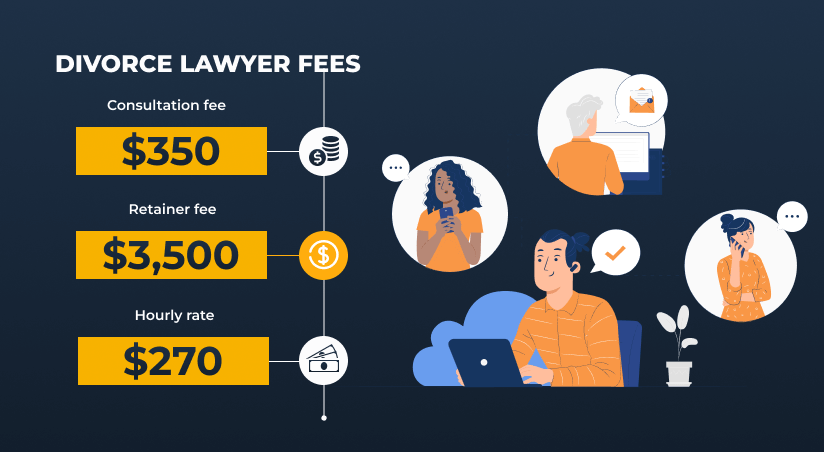
Conclusion: Understanding Divorce Costs So You Can Plan With Less Fear
The question “how much is it to get a divorce” does not have a single answer. The cost depends on how much you and your spouse fight, whether you have kids, how much property and debt you share, and the rules where you live. A simple case with few issues can stay closer to filing fees and modest legal help, while a high conflict trial can reach tens of thousands of dollars.
You do have some control. Getting organized, choosing your priorities, and using your lawyer’s time wisely all help keep costs in check. Looking into mediation or an uncontested path can also cut expenses, as long as you feel safe and both sides are willing to cooperate.
Take time to check your local court’s fees, ask lawyers clear questions about billing, and learn about the options in your state. The more informed you are now, the less likely you are to be shocked by the final bill.
Divorce is hard, but understanding the money side can remove at least one layer of stress and help you move forward with a little more calm and confidence.