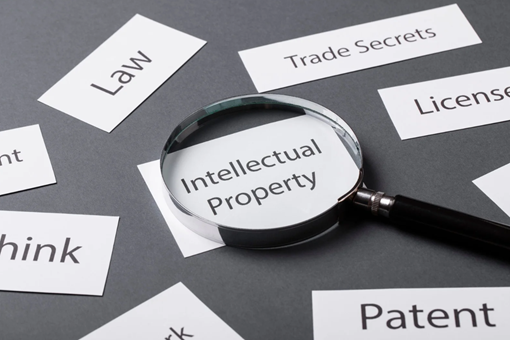
Intellectual Property Rights (IPR) – Protecting Creativity, Innovation, and Ideas!
Introduction to Intellectual Property Rights
Intellectual Property Rights (IPR) Imagine spending years developing a groundbreaking invention, writing a bestselling book, or building a recognizable brand—only to see someone copy it overnight. Frustrating, right? That’s exactly where Intellectual Property Rights (IPR) step in. They act like a legal shield, protecting ideas, creativity, and innovation from unauthorized use.
In today’s fast-moving, idea-driven economy, intellectual property is often more valuable than physical assets. From startups and artists to multinational corporations, everyone relies on IPR to safeguard what makes them unique.
What Are Intellectual Property Rights?
Intellectual Property Rights (IPR) are legal rights granted to individuals or organizations over creations of the mind. These creations can include inventions, literary and artistic works, symbols, names, designs, and even confidential business information.
Think of IPR as a fence around your creative house—it doesn’t stop people from admiring it, but it does stop them from moving in without permission.
Why Intellectual Property Matters in the Modern World
In a world powered by innovation, ideas are currency. Intellectual Property Rights (IPR) ensures that creators are rewarded for their efforts, encouraging more innovation. Without protection, there would be little motivation to invent, create, or invest in new ideas.
The Evolution of Intellectual Property Rights
Historical Background of IPR
Intellectual Property Rights (IPR) concept of intellectual property isn’t new. It dates back centuries, with early patent systems emerging in Europe during the Renaissance. These systems aimed to reward inventors by granting them exclusive rights for a limited time.
Over time, IPR evolved to keep pace with industrialization, globalization, and now, digital transformation.
IPR in the Digital and Global Economy
The internet has made sharing information effortless—but it has also made copying just as easy. Intellectual Property Rights (IPR) Modern IPR frameworks now address global enforcement, digital piracy, and cross-border disputes, making protection more complex yet more crucial than ever.
Types of Intellectual Property Rights
Copyright
What Copyright Protects
Copyright protects original literary, artistic, musical, and dramatic works. This includes books, films, software, music, paintings, and even website content.
If you created it and it’s original, copyright likely has your back.
Duration and Scope of Copyright
Typically, copyright lasts for the lifetime of Intellectual Property Rights (IPR) creator plus several decades after death. During this time, only the owner can reproduce, distribute, or license the work.
Patents
Utility, Design, and Plant Patents
Patents protect inventions. There are different types:
-
Utility patents for new processes or machines
-
Design patents for ornamental designs
-
Plant patents for new plant varieties
Each type serves a specific purpose but shares the same goal—protecting innovation.
Patent Registration Process
Intellectual Property Rights (IPR) Patent registration involves detailed documentation, examination, and approval by a patent office. While time-consuming, it grants exclusive rights that can be incredibly valuable.
Trademarks
Brand Identity and Trademarks
A trademark protects brand identifiers like logos, names, slogans, and symbols. It’s what helps customers recognize and trust a brand instantly.
Think of trademarks as the face of a business.
Trademark Infringement
When someone uses a confusingly similar mark, Intellectual Property Rights (IPR) can mislead consumers and harm brand reputation. Trademark laws exist to prevent this exact problem.
Trade Secrets
Confidential Business Information
Intellectual Property Rights (IPR) Trade secrets protect valuable business information that isn’t publicly known—like formulas, strategies, or customer lists. Unlike patents, trade secrets can last forever, as long as secrecy is maintained.
Industrial Designs
Industrial design rights protect the aesthetic aspects of products—shape, pattern, or color. These rights ensure that design innovation gets its due recognition.
Geographical Indications
Geographical indications protect products that originate from a specific location and possess unique qualities due to that origin—think Champagne or Darjeeling tea.
Importance of Intellectual Property Rights
Encouraging Innovation and Creativity
IPR rewards creativity. When creators know their work is protected, they’re more likely to take risks and push boundaries.
Economic Growth and Competitive Advantage
Strong IPR systems attract investment, boost exports, and promote fair competition. Countries with robust IP protection often experience stronger economic growth.
Protecting Artists, Inventors, and Businesses
From musicians to tech innovators, IPR ensures that creators benefit financially and morally from their work.
Intellectual Property Rights in Business
IPR as a Business Asset
Intellectual property can be licensed, sold, or used as collateral. In many cases, a company’s IP portfolio is worth more than its physical assets.
Licensing and Monetization of IP
Licensing allows IP owners to earn revenue without giving up ownership. It’s like renting out your idea while still keeping the keys.
Role of IPR in Startups and SMEs
For startups, IP can attract investors, protect innovations, and establish market credibility. It’s often the backbone of their valuation.
Intellectual Property Rights in the Digital Age
Online Piracy and Copyright Challenges
Digital platforms have made piracy easier, posing major challenges for copyright enforcement. Content creators must now be more vigilant than ever.
IPR and Artificial Intelligence
AI-generated content raises new questions—who owns it? The developer, the user, or the machine? IPR laws are still catching up.
Social Media and Trademark Protection
Brands must actively monitor social media to prevent misuse of trademarks and protect their online reputation.
Intellectual Property Rights Laws and Organizations
International IPR Framework
Global agreements like TRIPS help standardize IP protection across countries, promoting fair international trade.
Role of WIPO
The World Intellectual Property Organization (WIPO) plays a key role in developing international IP standards and resolving disputes.
National IPR Authorities
Each country has its own IP offices responsible for registration and enforcement at the national level.
Registration and Enforcement of Intellectual Property
How to Register Intellectual Property
Registration processes vary by IP type but generally involve application, examination, and approval. While not always mandatory, registration strengthens legal protection.
Legal Remedies for IPR Infringement
Remedies include injunctions, damages, and sometimes criminal penalties. Enforcement ensures that rights are more than just words on paper.
Common Challenges in Enforcement
High costs, lack of awareness, and cross-border violations often make enforcement difficult, especially for small creators.
Intellectual Property Rights and Innovation
Balancing Public Interest and Private Rights
IPR must strike a balance—rewarding creators while ensuring public access to knowledge and essential goods.
IPR in Research and Development
Strong IP protection encourages investment in R&D, leading to technological advancement and societal progress.
Future of Intellectual Property Rights
Emerging Trends in IPR
Digital assets, NFTs, and virtual goods are reshaping how IP is created and protected.
Technology, Blockchain, and IP Protection
Blockchain offers transparent and tamper-proof ways to track ownership and usage of intellectual property, hinting at a more secure future.
Conclusion
Intellectual Property Rights are the backbone of innovation, creativity, and economic growth. In a world driven by ideas, protecting intellectual assets is no longer optional—it’s essential. Whether you’re an artist, entrepreneur, or inventor, understanding IPR empowers you to protect what you create and unlock its true value. As technology evolves, so too must our approach to safeguarding ideas, ensuring a fair and innovative future for all.
Frequently Asked Questions (FAQs)
1. What is the main purpose of Intellectual Property Rights?
The main purpose of IPR is to protect creations of the mind and ensure creators receive recognition and financial benefits.
2. Is intellectual property protection automatic?
Some rights, like copyright, are automatic, while others, such as patents and trademarks, require registration.
3. How long do intellectual property rights last?
The duration varies by type—copyright can last decades, while patents usually last 20 years.
4. Can intellectual property be sold or transferred?
Yes, IP can be sold, licensed, or transferred like any other asset.
5. Why is IPR important for startups?
IPR helps startups protect innovations, attract investors, and gain a competitive edge.