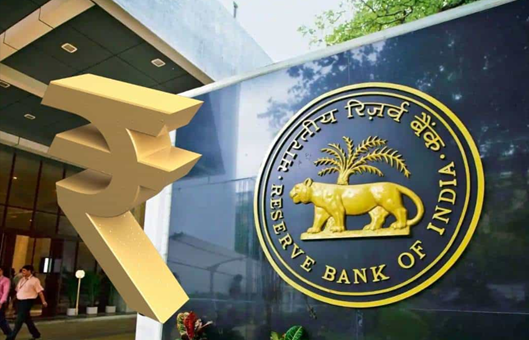
RBI Regulations and Banking Governance – Why Banking Governance Matters?
Introduction to RBI and the Indian Banking System
RBI Regulations and Banking Governance system is often described as the backbone of the economy—and rightly so. At the heart of this massive financial ecosystem stands the Reserve Bank of India (RBI), acting like a vigilant guardian. RBI regulations and banking governance together ensure that banks remain safe, transparent, and accountable while supporting economic growth. Without strong governance, even the biggest banks can crumble like a house of cards.
What Is the Reserve Bank of India (RBI)?
RBI Regulations and Banking Governance central bank, established in 1935. Think of it as the captain of the financial ship, steering the banking sector through calm waters and financial storms alike. It regulates banks, manages monetary policy, issues currency, and ensures financial stability.
Why Banking Governance Matters
Banking governance is all about how banks are directed and controlled. Good governance builds trust, protects depositors, and keeps financial risks in check. Poor governance, on the other hand, can lead to scandals, bank failures, and economic chaos.
Evolution of RBI Regulations
Historical Background of RBI
RBI was born during the British era, but its role expanded significantly after India’s independence. Initially focused on currency management, it gradually evolved into a powerful regulator overseeing the entire banking system.
Key Milestones in Banking Regulation
From bank nationalization in 1969 to liberalization in the 1990s, RBI regulations have constantly adapted to India’s changing economic needs.
Nationalization and Regulatory Expansion
Nationalization brought millions into the formal banking system. RBI’s regulatory role expanded to ensure public sector banks operated responsibly while fulfilling social objectives.
Objectives of RBI Regulations
Financial Stability
The primary goal of RBI regulations is to maintain financial stability. A stable banking system prevents panic, bank runs, and systemic crises.
Consumer Protection
Depositors trust banks with their hard-earned money. RBI regulations ensure this trust isn’t misplaced by enforcing fair practices and transparency.
Economic Growth and Development
By regulating credit flow and interest rates, RBI supports sustainable economic growth without letting inflation spiral out of control.
Core Functions of RBI in Banking Governance
Regulation and Supervision of Banks
RBI licenses banks, conducts inspections, and monitors their financial health. It’s like a regular health check-up for banks—spotting problems before they turn fatal.
Monetary Policy Framework
RBI uses tools like repo rates and open market operations to control liquidity and inflation.
Inflation Targeting and Liquidity Management
Since adopting inflation targeting, RBI has focused on balancing growth with price stability, ensuring long-term economic health.
RBI Regulatory Framework for Banks
Licensing of Banks
No bank can operate in India without RBI’s approval. This ensures only credible and financially sound institutions enter the market.
Capital Adequacy Norms
Banks must maintain a minimum level of capital to absorb losses.
Basel III Guidelines
RBI has implemented Basel III norms to strengthen bank capital, improve risk management, and enhance resilience against financial shocks.
Corporate Governance in Banks
Board Structure and Responsibilities
RBI mandates a strong and independent board structure. The board acts as the brain of the bank, guiding strategy and overseeing management.
Role of Independent Directors
Independent directors bring objectivity, reducing conflicts of interest and improving decision-making.
Fit and Proper Criteria
RBI ensures that top executives and directors meet ethical and professional standards—because leadership quality defines governance quality.
Risk Management and Internal Controls
Credit Risk Management
Banks must assess borrowers carefully to avoid bad loans. RBI guidelines help banks strengthen credit appraisal systems.
Operational and Market Risk
From system failures to market volatility, banks face multiple risks that require robust controls.
Internal Audit and Compliance
Internal audits act as an early warning system, ensuring policies are followed and risks are addressed promptly.
RBI Guidelines on Transparency and Disclosure
Financial Reporting Standards
Accurate financial reporting ensures stakeholders know the true financial position of banks.
Disclosure Requirements
RBI mandates regular disclosures on asset quality, capital adequacy, and risk exposure.
Market Discipline
Transparency encourages market discipline, pushing banks to act responsibly.
Regulation of Public Sector vs Private Sector Banks
Governance Challenges in PSBs
Public sector banks often face issues like political interference and slower decision-making.
Regulatory Expectations for Private Banks
Private banks enjoy more flexibility but are held to equally high governance and compliance standards.
RBI and Cooperative Banks
Special Regulatory Framework
Cooperative banks serve local communities but face unique governance challenges.
Recent Reforms in Cooperative Banking
RBI has tightened supervision of cooperative banks to improve stability and depositor confidence.
Digital Banking and Regulatory Oversight
Fintech and Innovation
Digital banking has transformed financial services, making them faster and more accessible.
Cybersecurity and Data Protection
With digital growth comes cyber risk. RBI has issued strict cybersecurity guidelines to protect customer data.
RBI’s Digital Guidelines
From data localization to IT audits, RBI ensures digital innovation doesn’t compromise security.
RBI’s Role in Preventing Banking Frauds
Early Warning Systems
RBI encourages banks to adopt early warning systems to detect frauds before losses escalate.
Strengthening Accountability
Clear accountability ensures that lapses are identified and corrected quickly.
Fraud Classification and Reporting
Standardized fraud reporting helps RBI monitor trends and take corrective action.
Prompt Corrective Action (PCA) Framework
What Is PCA?
PCA is RBI’s framework to intervene early when a bank shows signs of financial stress.
Impact on Bank Governance
PCA forces banks to improve governance, reduce risks, and restore financial health.
Challenges in Banking Governance
Non-Performing Assets (NPAs)
High NPAs remain a major challenge, impacting profitability and trust.
Governance Failures and Ethics
Ethical lapses can undo years of regulatory effort.
Regulatory Enforcement Issues
Effective enforcement is key to ensuring compliance and accountability.
Future of RBI Regulations and Banking Governance
Strengthening Supervisory Mechanisms
RBI continues to enhance supervision using data analytics and risk-based approaches.
Balancing Regulation and Innovation
The future lies in smart regulation—encouraging innovation while safeguarding stability.
Conclusion
RBI regulations and banking governance form the foundation of India’s financial stability. Through robust rules, vigilant supervision, and continuous reforms, RBI ensures that banks remain resilient, transparent, and trustworthy. As the banking landscape evolves with technology and globalization, strong governance backed by adaptive regulation will remain the key to a secure financial future.
Frequently Asked Questions (FAQs)
. What is the main role of RBI in banking governance?
RBI regulates and supervises banks to ensure financial stability, transparency, and depositor protection.
2. How does RBI ensure good corporate governance in banks?
By setting guidelines on board structure, independent directors, risk management, and disclosure norms.
3. What is the PCA framework?
Prompt Corrective Action is RBI’s tool to intervene early in weak banks to prevent failure.
4. Are private banks regulated differently from public sector banks?
While ownership differs, RBI’s core regulatory and governance standards apply to both.
5. How does RBI address digital banking risks?
Through cybersecurity guidelines, IT audits, and data protection norms.